Georgia holds more significant American history than most visitors expect. The nation’s deadliest Civil War prison is here. The largest Civil War military park is here. The civil rights movement’s most important Atlanta institutions are here. And beneath the ground in Dahlonega, gold-bearing quartz started a rush 20 years before California.
The 26 sites below range from world-class art museums to underground mines, organized by region.
Jump to: Atlanta & Metro · Northwest Georgia · Dahlonega · North Georgia · Warm Springs · Savannah · Andersonville · Columbus · Augusta · Toccoa · South Georgia
Atlanta & Metro Atlanta
National Center for Civil and Human Rights
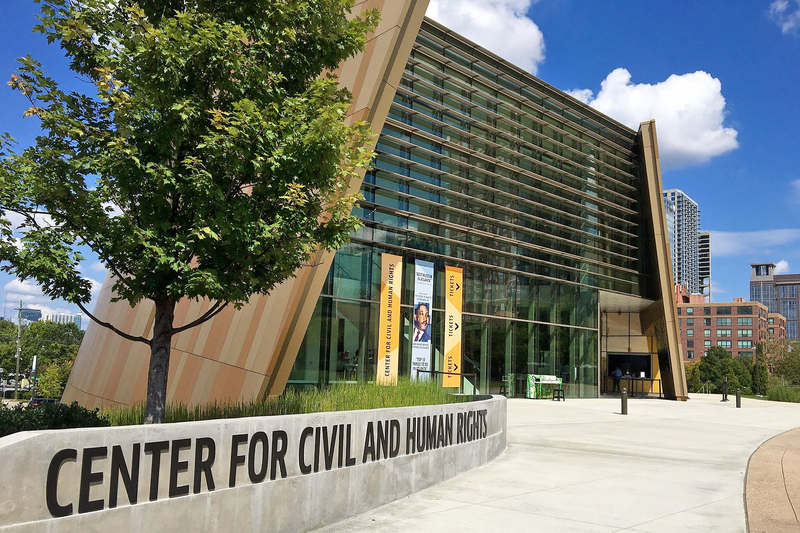
Fulton County · Atlanta · Paid admission
A museum in downtown Atlanta covering the American civil rights movement and its connections to global human rights struggles. The centerpiece is the Rolls Down Like Water gallery — a chronological walk through the movement from the 1950s to today, including original documents, artifacts, and a lunch counter simulation where visitors experience the physical reality of sit-in protests.
The building, designed by Phil Freelon, is architecturally striking. Located adjacent to Centennial Olympic Park, making it easy to combine with other downtown Atlanta attractions.
High Museum of Art
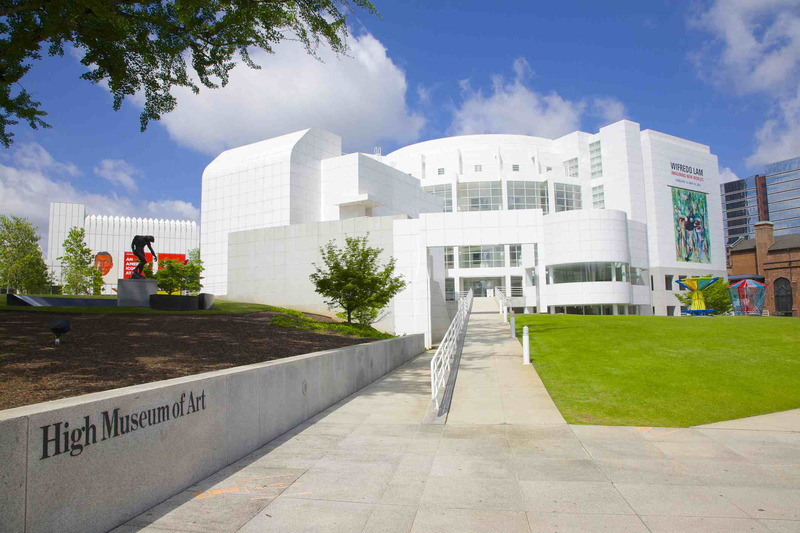
Fulton County · Atlanta · Paid admission
The largest art museum in the Southeast, with a permanent collection of 19,000 works spanning European painting, American art, decorative arts, photography, and folk art. The Renzo Piano–designed building is as much an attraction as the collection. Major traveling exhibitions stop here from the Met, Louvre, and Uffizi.
Located on Peachtree Street in Midtown Atlanta, adjacent to the Woodruff Arts Center. Worth building a half-day around if any of the rotating exhibitions interest you.
Atlanta History Center & Swan House
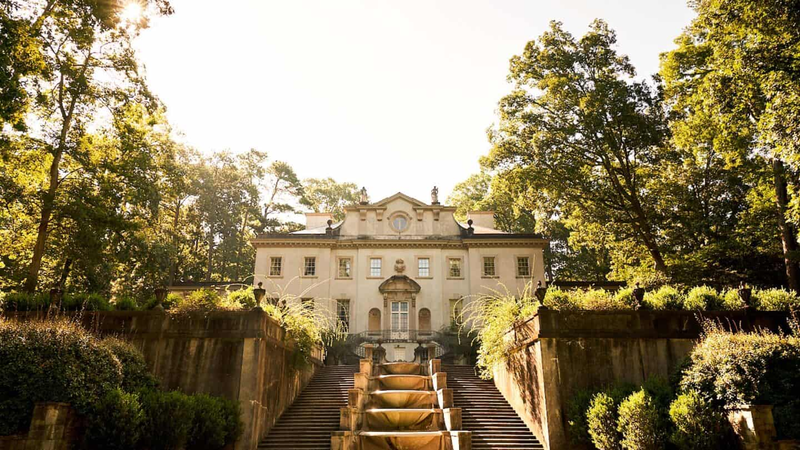
Fulton County · Atlanta · Paid admission
A 33-acre museum campus in Buckhead with a main museum building, formal gardens, and the 1928 Swan House — a Palladian-style mansion used as Panem’s Capitol in The Hunger Games films. The museum covers Atlanta history from Creek Nation settlements through the 1996 Olympics. The cyclorama painting of the Battle of Atlanta, at 42 feet tall and 358 feet in circumference, is one of the largest paintings in the world.
Allow 3+ hours. The Swan House tour and the cyclorama alone justify the admission.
Kennesaw Mountain National Battlefield Park
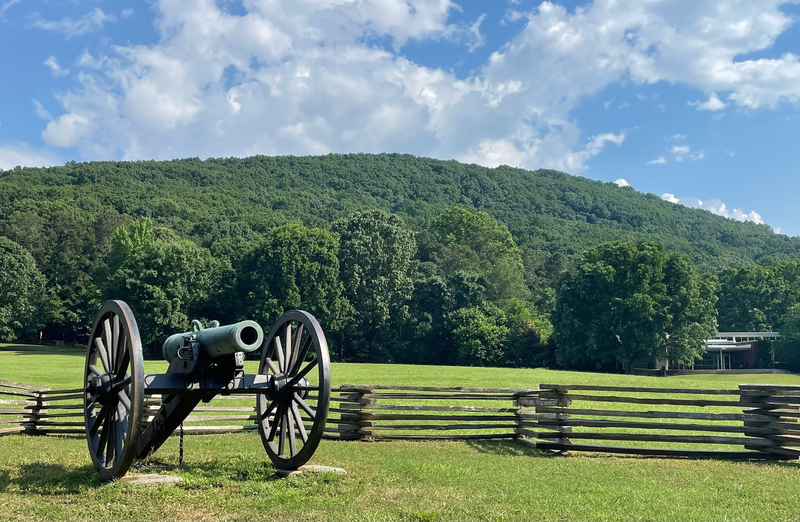
Cobb County · Kennesaw · Free
A 2,965-acre national battlefield park preserving the site of the 1864 Battle of Kennesaw Mountain, part of Sherman’s Atlanta Campaign. 16 miles of trails cross preserved earthworks, artillery positions, and Confederate and Union lines. The mountain summit — a 2.5-mile round-trip hike — delivers views across the Atlanta metro.
One of the better urban hikes in Georgia combined with genuine Civil War history. Free, well-maintained, and rarely crowded on weekday mornings.
Northwest Georgia
Chickamauga & Chattanooga National Military Park
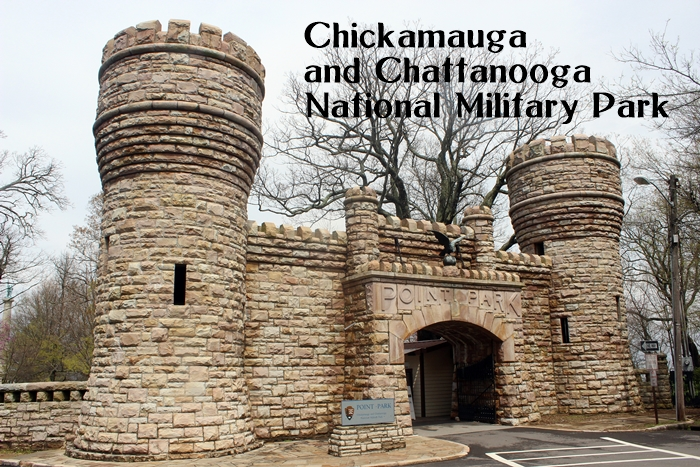
Walker County · Fort Oglethorpe · Free
The largest Civil War military park in the United States, preserving the site of the 1863 Battle of Chickamauga — the second-deadliest battle of the war, with 34,000 casualties over two days. The battlefield spans 5,400 acres with 700 monuments, 650 historic cannons, and an auto tour route connecting the key positions.
The visitor center has an excellent museum and an original collection of military firearms. A serious stop for Civil War history — plan 3+ hours to do it properly.
Booth Western Art Museum
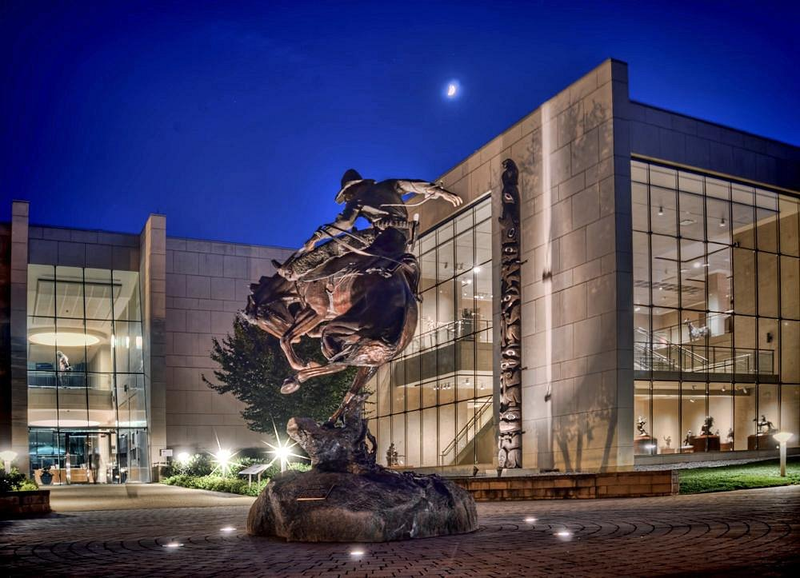
Bartow County · Cartersville · Paid admission
The largest permanent exhibition space dedicated to Western American art in the world — 120,000 square feet in a purpose-built facility in Cartersville, about 45 miles north of Atlanta. The collection includes paintings, sculpture, photography, and Native American art, plus a Presidential gallery of portraits and letters from every US president.
A genuine world-class museum in an unexpected location. The Smithsonian has affiliated it as a partner institution.
Dahlonega
Dahlonega Gold Museum State Historic Site
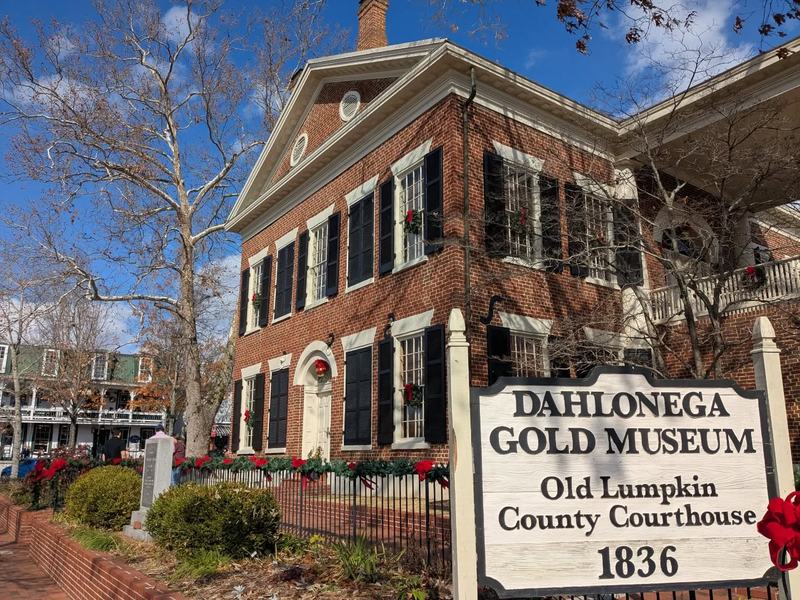
Lumpkin County · Dahlonega · Paid admission
Housed inside the 1836 Lumpkin County Courthouse — the oldest public building in Georgia — the museum tells the full story of America’s first major gold rush, which began here in 1828. Exhibits include actual gold coins minted at the Dahlonega Branch Mint, original nuggets, period mining equipment, and the political history of the rush and its displacement of the Cherokee.
The building alone is worth seeing. The museum is small but well-produced.
Consolidated Gold Mine
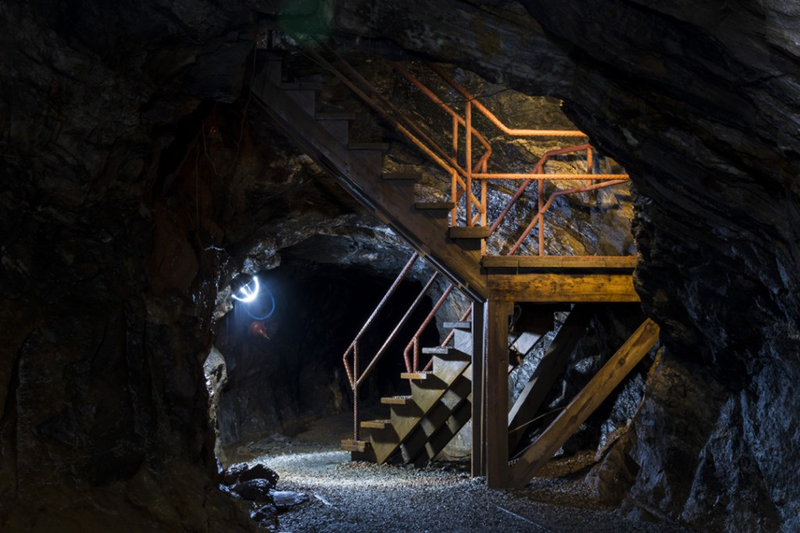
Lumpkin County · Dahlonega · Paid admission
Underground tours of one of the largest gold mines in the eastern United States — tunnels extending 200 feet into the earth, with guides explaining the geology and mining history of the Dahlonega lode. Visitors pan for gold at the surface after the tour. The mine operated from 1895 to 1906 and produced more than a million dollars in gold.
The underground section is the main draw — genuinely atmospheric with intact tunnel systems. Different from the outdoor panning experience at Crisson Gold Mine.
University of North Georgia Historic Campus
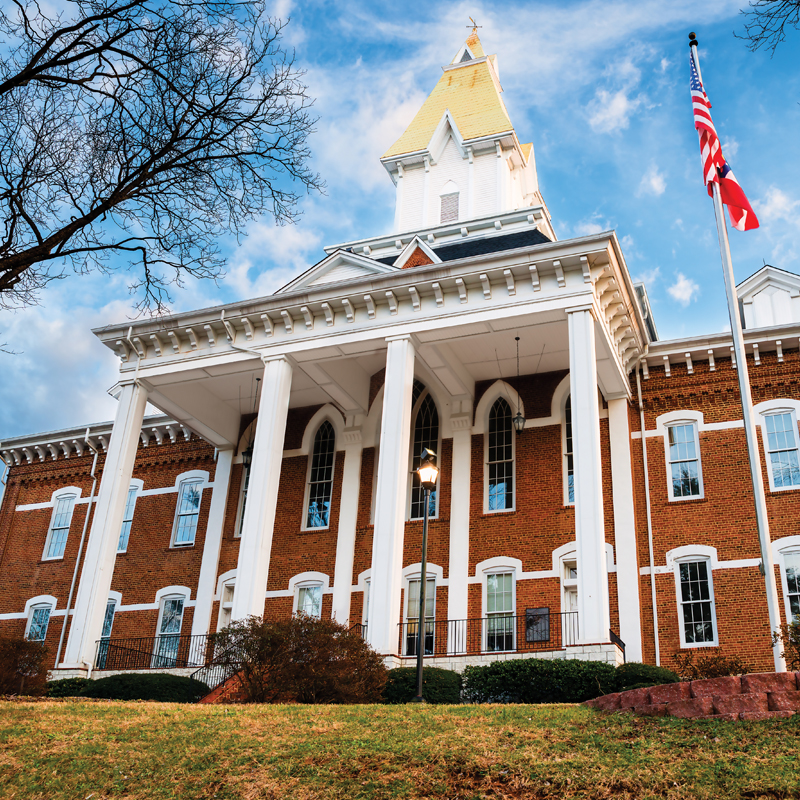
Lumpkin County · Dahlonega · Free
A military college campus in the heart of Dahlonega with 19th-century buildings anchored by Price Memorial Hall — a gold-domed building covered with gold from the Dahlonega mines. The campus has been a military institution since 1873 and is one of six senior military colleges in the US. The dome is one of the most photographed landmarks in North Georgia.
A short walk from the historic square. Free to walk the grounds.
North Georgia
McCaysville Historic District
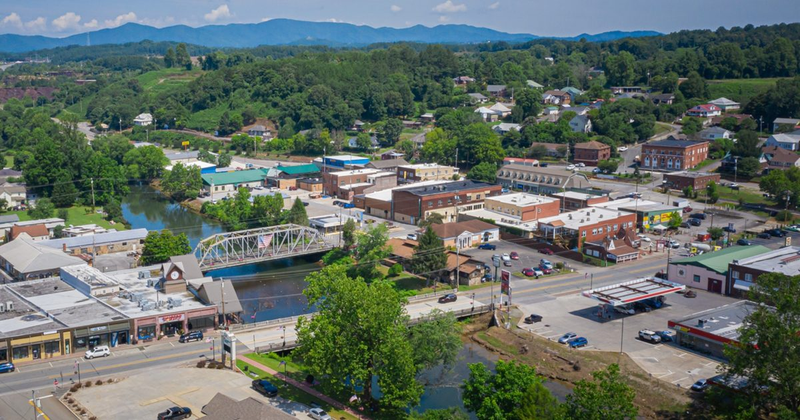
Fannin County · McCaysville · Free
A small town bisected by the Georgia-Tennessee state line — walk across the middle of the main street and you’ve crossed into Copperhill, Tennessee. The state line runs through the middle of downtown, marked on the pavement. Antique shops and local restaurants line both sides of the border.
A genuinely unusual geographic curiosity about 10 miles from Blue Ridge. Worth a stop if you’re in the area.
Northeast Georgia History Center
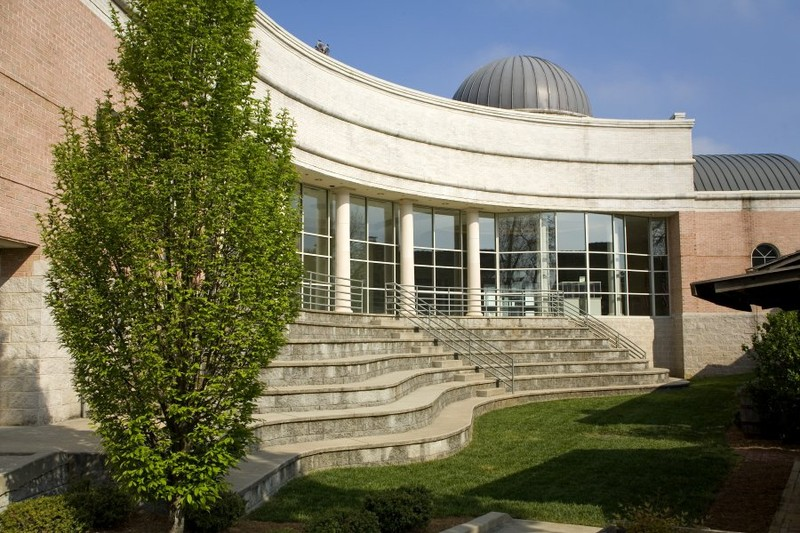
Hall County · Gainesville · Paid admission
A regional history museum covering Northeast Georgia from the Cherokee nation through the 20th century, with exhibits on the Gainesville tornado of 1936 and the Lanier family’s influence on the Lake Lanier area. The museum also operates the Gaines Mill historic site nearby.
A solid regional museum for visitors interested in the history behind the Lake Lanier corridor.
1996 Olympics Rowing Venue
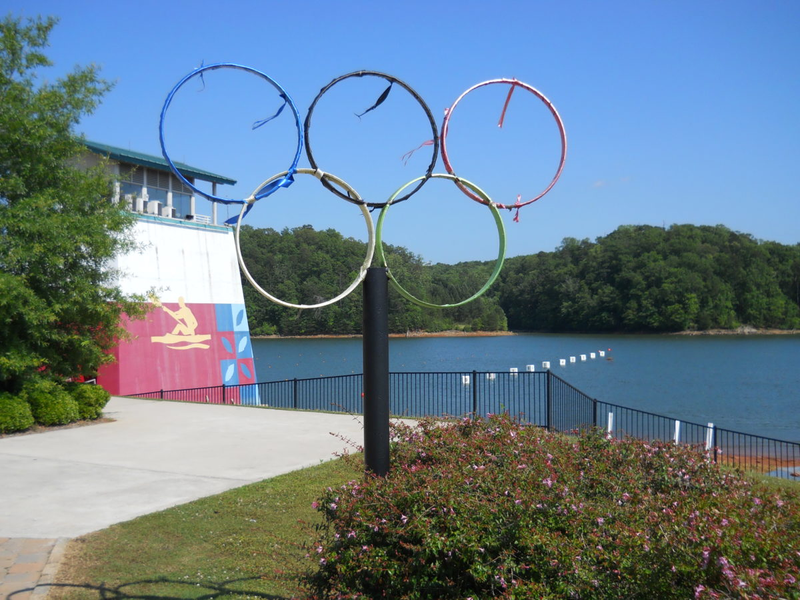
Hall County · Gainesville · Free
The Lake Lanier Olympic venue where rowing and canoe/kayak sprint events were held during the 1996 Atlanta Olympics. The course and finish line infrastructure are still in place and visible from the shoreline. A roadside marker identifies the historic site.
A free and quick stop for Olympics history enthusiasts visiting the Lake Lanier area.
Piedmont University Historic Campus
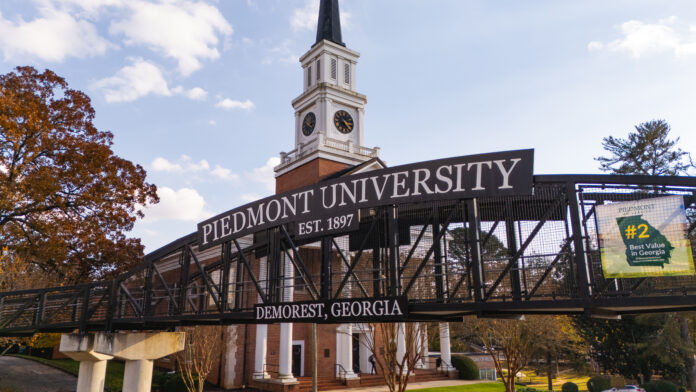
Habersham County · Demorest · Free
A small liberal arts university campus founded in 1897 in the planned temperance community of Demorest. The original Victorian-era buildings are intact, set on a hillside in Habersham County. The campus is free to walk and provides a window into the late 19th-century idealism that created planned communities across rural Georgia.
About 10 minutes from Clarkesville. A quiet detour with genuine historical character.
Warm Springs
Roosevelt’s Little White House
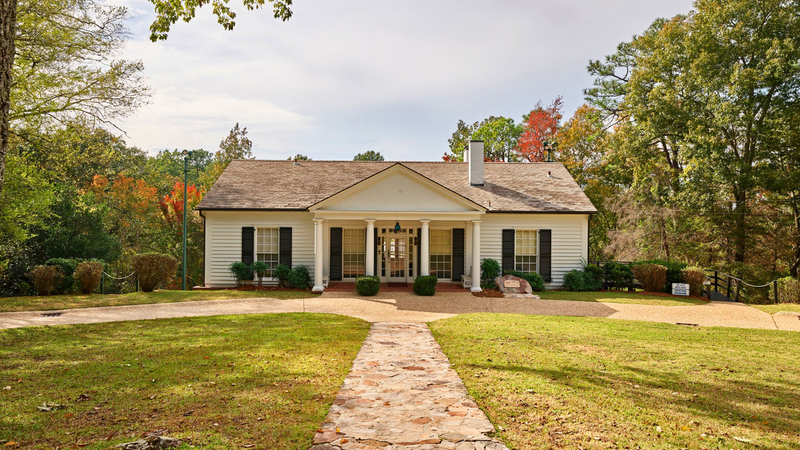
Meriwether County · Warm Springs · Paid admission
The cottage where Franklin D. Roosevelt spent time during his polio treatment and where he died on April 12, 1945, while sitting for a portrait. The cottage is preserved exactly as it was on that day, down to the unfinished portrait on the easel. The site includes a museum covering FDR’s connection to Georgia and the history of the Warm Springs polio treatment center.
One of the more quietly moving presidential historic sites in the country. About 1 hour south of Atlanta.
Savannah
Mercer Williams House Museum
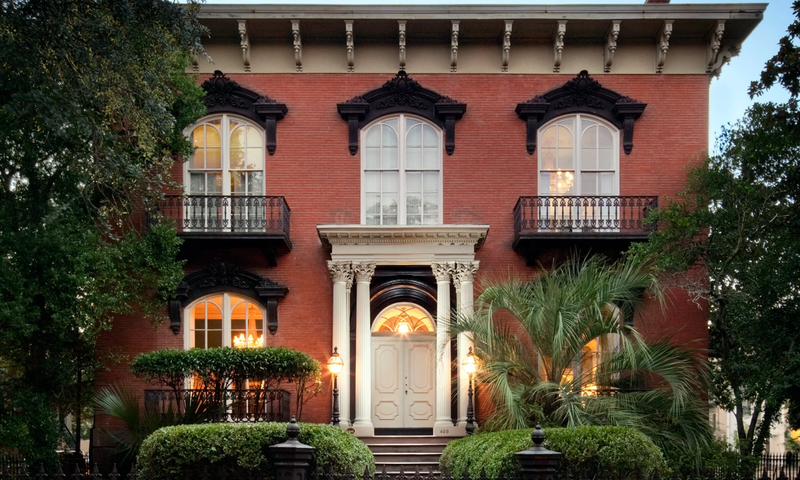
Chatham County · Savannah · Paid admission
The antebellum mansion made famous by John Berendt’s Midnight in the Garden of Good and Evil — the setting of the murder trial that put Savannah on the literary map. The 1860 Italianate house is one of Savannah’s finest historic homes and is open for tours. The garden is where several key scenes in the book took place.
A must-see for readers of the book. Even without that context, the house is one of Savannah’s best preserved examples of antebellum architecture.
Telfair Museums
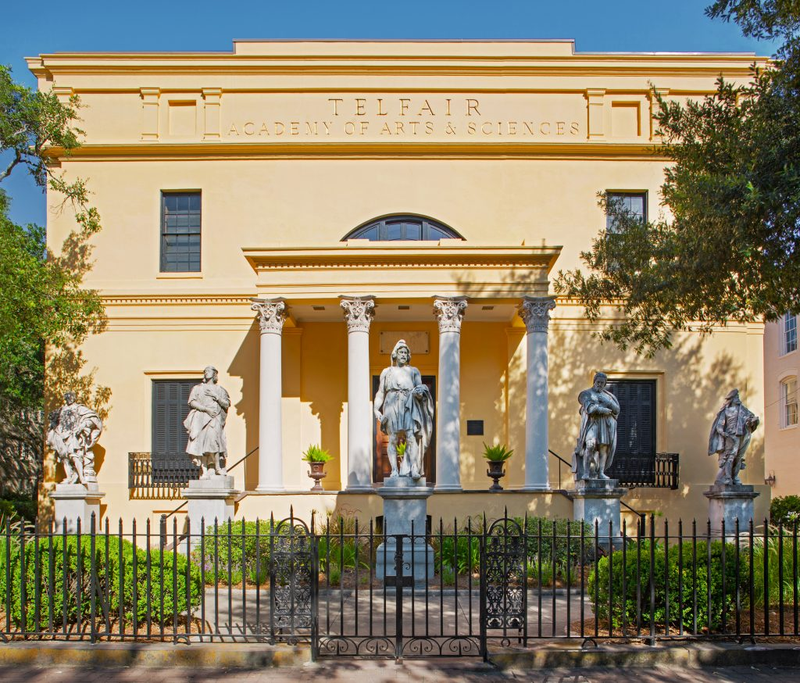
Chatham County · Savannah · Paid admission
A two-venue art museum system: the 1818 Telfair Academy (one of the oldest public art museums in the South) and the Jepson Center, a 2006 Moshe Safdie–designed contemporary building. Both sit on Telfair Square in the heart of the historic district. The combined collection spans American, European, and Savannah decorative arts.
One ticket covers both venues. Worth combining with the Owens-Thomas House (also Telfair Museums) for a full day.
Andersonville
Andersonville National Historic Site
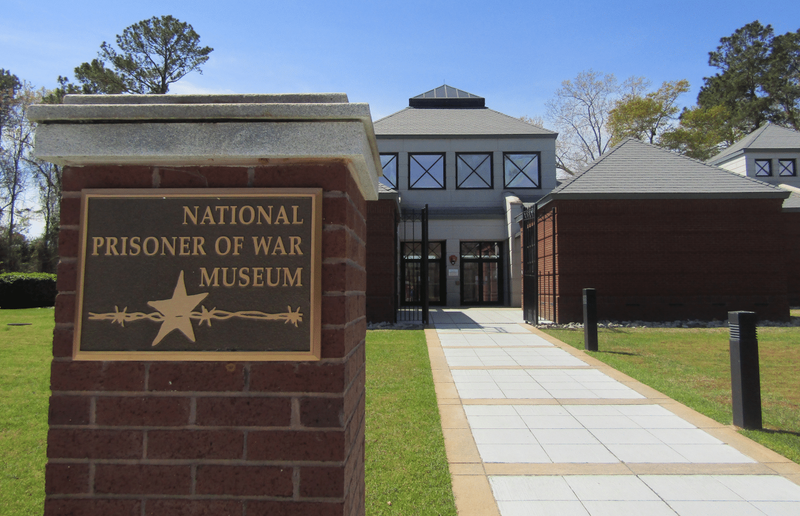
Macon County · Andersonville · Free
The site of Camp Sumter, the Confederate prison where 45,000 Union soldiers were held in a 26-acre open stockade. 13,000 died in 14 months — the highest prisoner death rate of any Civil War camp. The National Prisoner of War Museum on-site covers the history of American POW experiences from the Revolution through modern conflicts, using Andersonville as the opening chapter.
Free, deeply affecting, and rarely crowded. Plan 2–3 hours. The cemetery adjacent to the site holds the graves of nearly 13,000 soldiers with individual markers.
Columbus
National Infantry Museum and Soldier Center
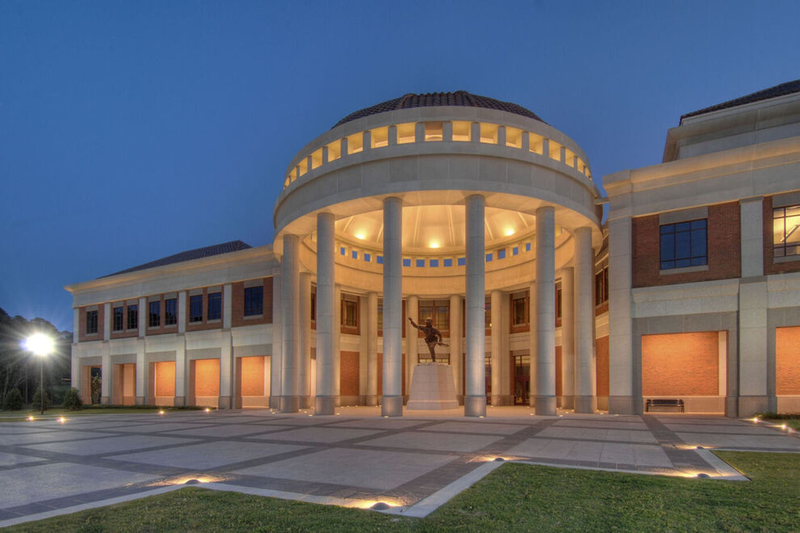
Muscogee County · Columbus · Free
A 190,000-square-foot museum covering the history of the US Army Infantry from the Revolutionary War to present, located adjacent to Fort Benning (now Fort Moore). The collection includes weapons, vehicles, uniforms, and personal accounts across 12 galleries. The company street exhibit — a reconstructed sequence of barracks from different eras of Army life — is particularly well-executed.
Free and comprehensive. One of the largest military museums in the country.
Columbus Museum
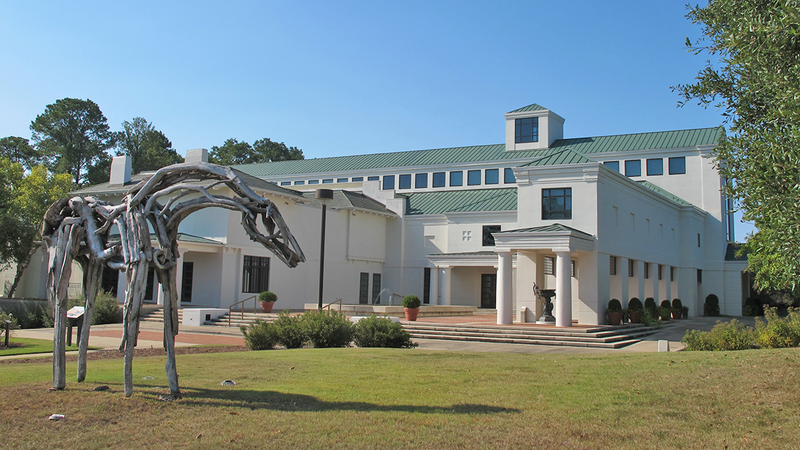
Muscogee County · Columbus · Free
The second-largest art and history museum in Georgia, with a permanent collection of American art and a regional history gallery covering Columbus and the Chattahoochee River Valley from prehistoric times forward. Free admission.
Worth a visit when in Columbus for the whitewater or Historic Uptown. Strong regional history context for the city.
Liberty Theatre Cultural Center
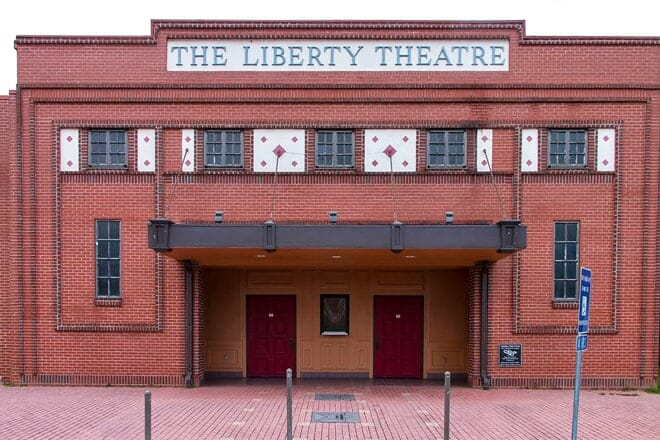
Muscogee County · Columbus · Free
A restored 1924 movie house that was the center of Columbus’s African American cultural life during segregation — the same circuit that hosted James Brown, Cab Calloway, and Ella Fitzgerald. The theater now operates as a cultural center and museum documenting the history of the “Harlem of the South” entertainment corridor on Eighth Street.
Free to visit. A lesser-known but historically significant stop in Columbus.
Augusta
Augusta Museum of History
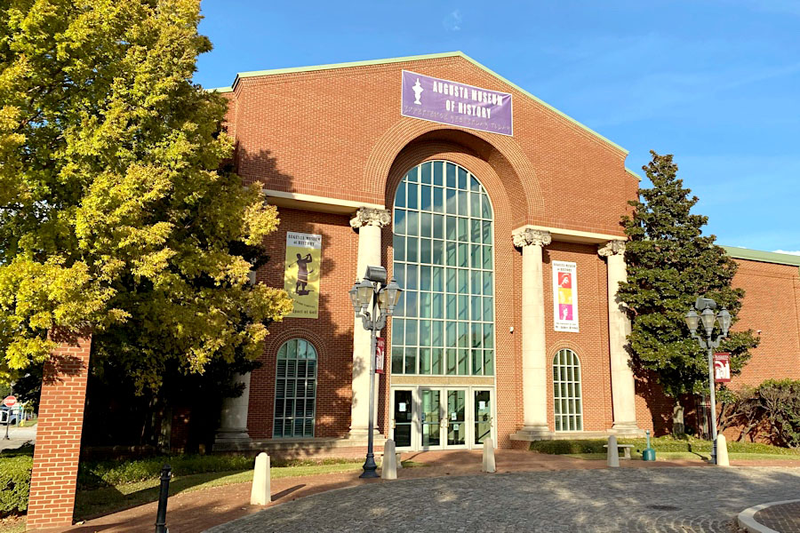
Richmond County · Augusta · Paid admission
The main regional history museum for Augusta and the Central Savannah River area, covering Native American prehistory through the Masters Golf Tournament. The James Brown exhibit is a standout — Augusta was Brown’s hometown, and the museum has significant memorabilia including his personal items and stage costumes.
A solid 2-hour museum visit when in Augusta for the golf or the canal.
Boyhood Home of President Woodrow Wilson
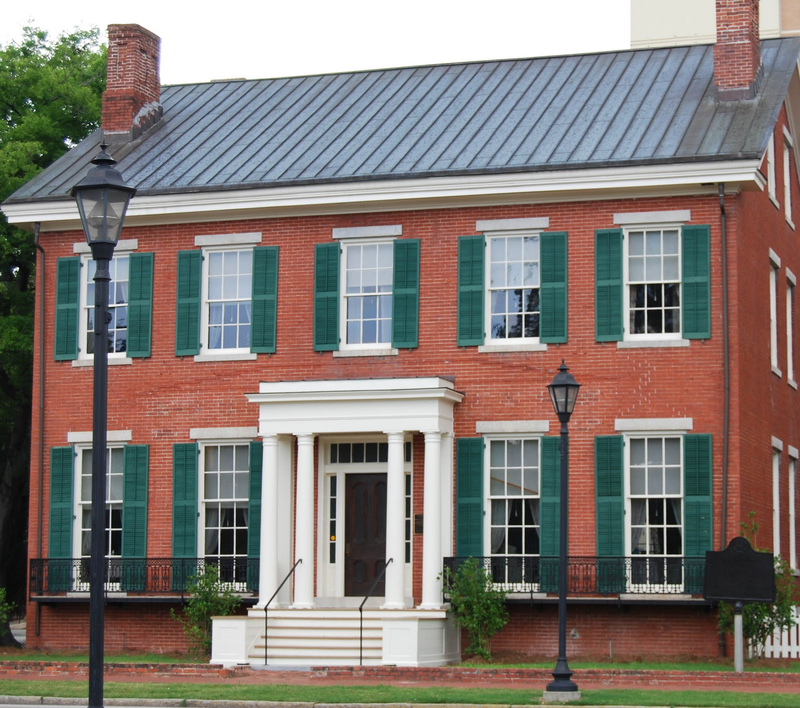
Richmond County · Augusta · Paid admission
The house where Woodrow Wilson lived from ages 1 to 14, while his father served as pastor of First Presbyterian Church in Augusta. The 1859 Italianate house is preserved with period furnishings and interprets Wilson’s formative years in the South during Reconstruction.
A niche presidential history stop. Worth visiting if you have an interest in the Wilson administration or Reconstruction-era Augusta.
Toccoa
Currahee Military Museum
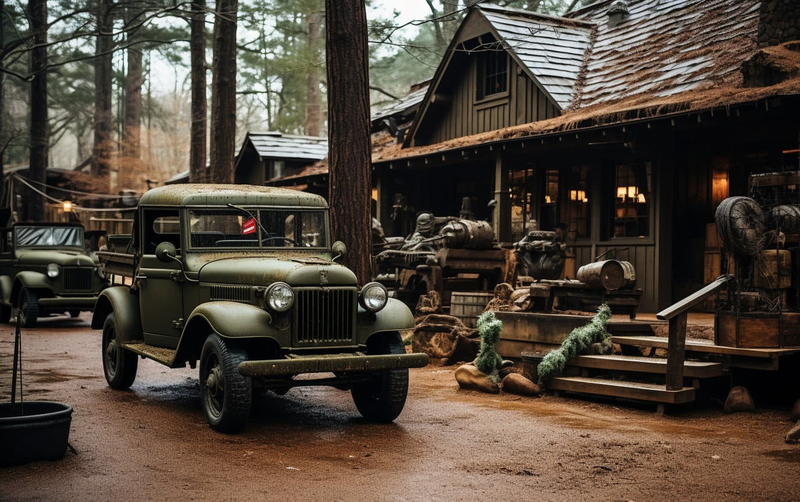
Stephens County · Toccoa · Paid admission
A museum dedicated to the 506th Parachute Infantry Regiment — immortalized in Band of Brothers — who trained at Camp Toccoa in 1942. The collection includes uniforms, weapons, personal letters, photographs, and regimental history through Normandy, Bastogne, and the end of the war in Europe.
Combine with a hike up Currahee Mountain for the full experience. The museum gives context; the mountain is the physical setting.
Historic Toccoa Depot
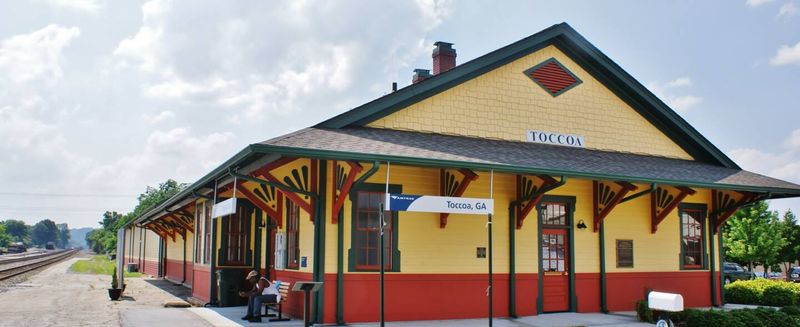
Stephens County · Toccoa · Free
A restored 1873 railroad depot — one of the oldest surviving depots in Georgia — that served as a key transportation hub for northeast Georgia for over a century. The building is now a visitor center with exhibits on the depot’s history and the town’s railroad era. Free to visit.
A quick stop, best combined with a Currahee Mountain hike or Toccoa Falls visit.
South Georgia
Pebble Hill Plantation Museum
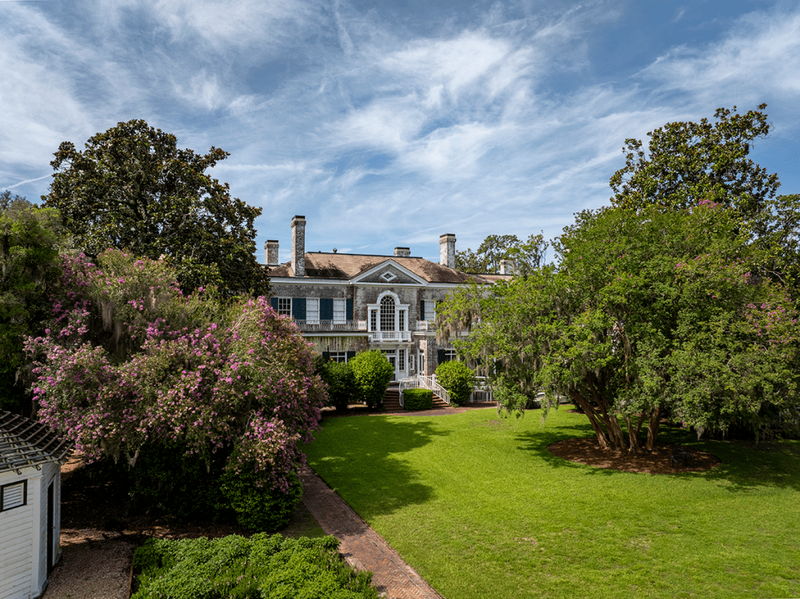
Thomas County · Thomasville · Paid admission
A 3,000-acre plantation estate preserved as it was in the early 20th century, when it functioned as one of the premier quail hunting plantations in the South. The main house contains a significant collection of American art, antiques, and sporting memorabilia. The grounds include stables, a log cabin village, and formal gardens.
One of the most complete plantation-era estates open to the public in the Southeast. The guided house tour is required and limited to small groups — book in advance.
Lapham-Patterson House State Historic Site
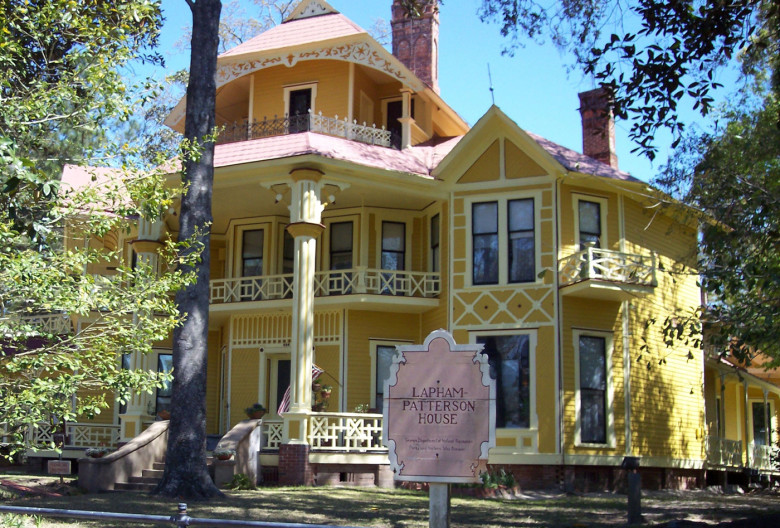
Thomas County · Thomasville · Paid admission
A Victorian-era “cottage” built in 1885 by a Chicago businessman as a winter retreat — an extraordinary example of late 19th-century domestic architecture with no two rooms the same shape, a double-flue fireplace in the master bedroom, and an unusual cantilevered staircase. Listed on the National Register of Historic Places.
One of the more architecturally unusual historic homes in Georgia. The guided tour is the only way to see the interior.
Planning Notes
Civil War focus: Chickamauga (Walker County) and Kennesaw Mountain (Cobb County) cover the 1863–1864 Atlanta Campaign. Andersonville (Macon County) covers the home-front prison experience. All three are free.
Art museums: High Museum of Art in Atlanta and Booth Western Art Museum in Cartersville are the two strongest. Telfair Museums in Savannah is best in the coastal region.
Presidential history: Roosevelt’s Little White House (Warm Springs) and Wilson’s Boyhood Home (Augusta) are niche but well-executed.
Budget: Free sites include Kennesaw Mountain, Chickamauga, Andersonville, University of North Georgia campus, 1996 Olympic venue, Columbus Museum, and McCaysville. Everything else charges $5–$20 admission.