Tennessee has three distinct tourist hubs and each one anchors a full trip on its own. Nashville has the Grand Ole Opry, the Ryman Auditorium, and Lower Broadway's wall-to-wall live music. Memphis has Graceland and Beale Street. East Tennessee has Dollywood, Gatlinburg, and the most-visited national park in America.
The 10 sites below span all three regions, drawn from a curated travel dataset and grouped by city.
Jump to: Nashville · Memphis · East Tennessee — Gatlinburg & Pigeon Forge · Chattanooga · Planning Notes
Nashville
Tennessee's capital is the country music capital of the world, with a dense cluster of major tourist sites within walking distance of Lower Broadway.
Grand Ole Opry Must-see
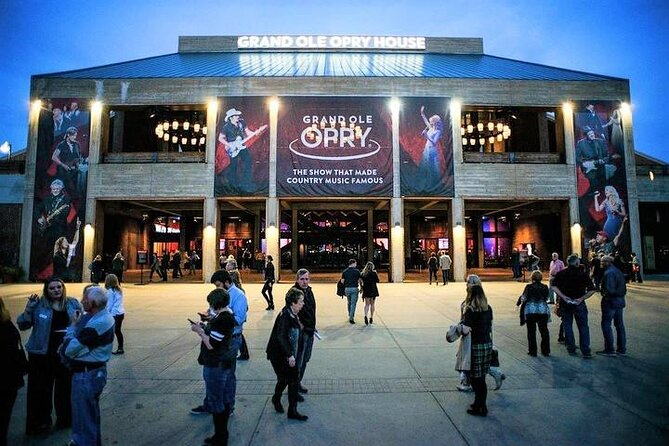
Davidson County · Nashville · Paid admission
The longest-running live radio broadcast in US history, running continuously since 1925 and now broadcasting from a 4,400-seat purpose-built venue in Music Valley. Shows run most weeks of the year, rotating in a roster of country legends, current stars, and emerging acts across a single evening. Each show runs about 2.5 hours with multiple performers.
Book tickets well in advance — popular nights sell out weeks ahead. Backstage tours are available during the day, separate from show tickets.
Ryman Auditorium Must-see
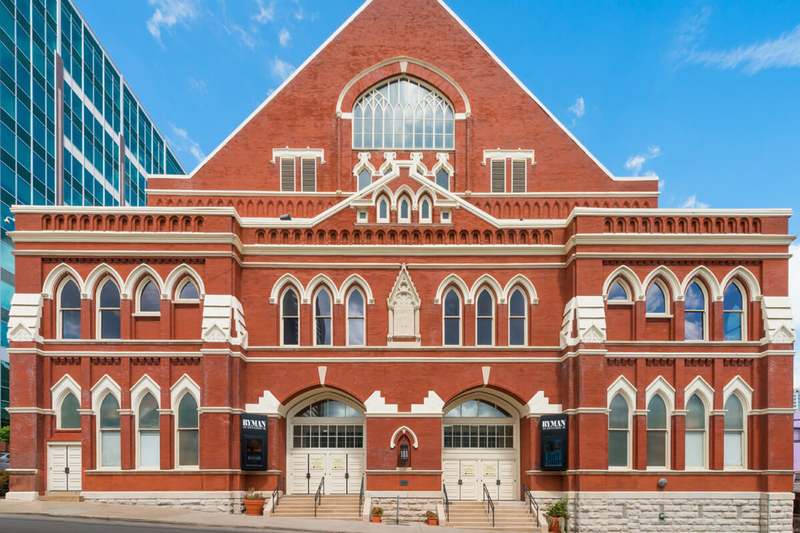
Davidson County · Nashville · Paid admission
The original home of the Grand Ole Opry from 1943 to 1974, built in 1892 as a gospel tabernacle and now regarded as the finest acoustic concert hall in the country. Pew seating is original; the sightlines are perfect from every seat. Self-guided daytime tours include access to the stage.
Live shows here — country, bluegrass, rock — are considered among the best concert experiences in Nashville. Check the calendar before visiting; a show night beats a tour visit by a wide margin.
Nashville's Lower Broadway (Honky Tonk Highway) Must-see
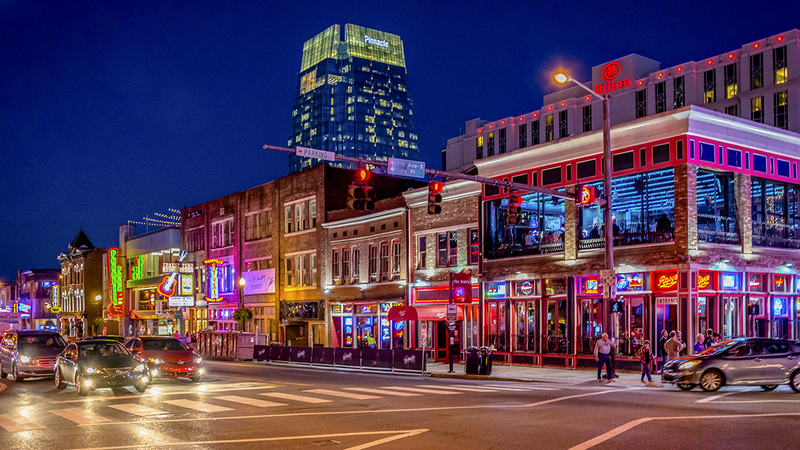
Davidson County · Nashville · Free to enter; drinks priced individually
A 3-block stretch of Lower Broadway lined with multi-story honky tonk bars — Tootsie's, Legends Corner, Robert's Western World, Layla's — all with live country music from noon until 3 a.m., seven days a week, no cover charge. The music doesn't stop between sets; bands hand off continuously.
This is where Nashville's live music culture is most concentrated and most accessible. Weekday afternoons are the sweet spot — the bands are just as good and the crowds are a fraction of weekend nights.
The Hermitage (Andrew Jackson's Estate) Worth the detour
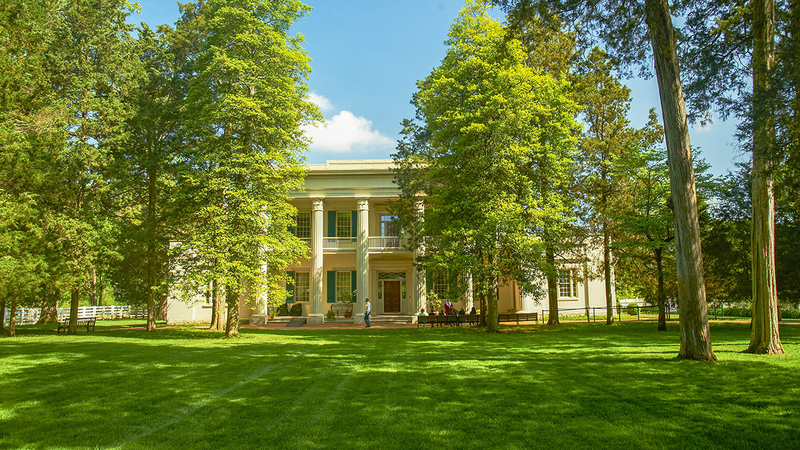
Davidson County · Nashville · Paid admission
Andrew Jackson's 1,000-acre plantation estate, preserved as it stood during his presidency, with the mansion, gardens, slave quarters, and family tomb all intact. Museum exhibits cover Jackson's military career, presidency, and the lives of the 150 enslaved people who worked the property.
Located 12 miles east of downtown Nashville. Plan 2–3 hours. The mansion, slave quarters, and family tomb are all original and intact — a fuller preservation than most presidential historic sites.
Memphis
Graceland (Elvis Presley's Home) Must-see
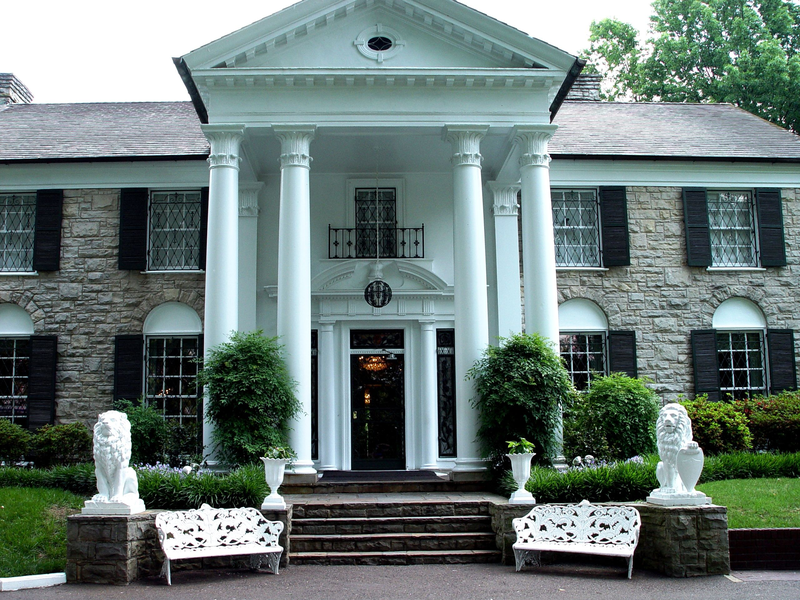
Shelby County · Memphis · Paid admission
Elvis Presley's home from 1957 until his death in 1977 — the second most-visited private home in America after the White House, drawing over 600,000 visitors a year. The mansion tour covers the original 1970s interior, the famous Jungle Room, and the Meditation Garden where Elvis is buried alongside his parents.
The campus has expanded with museums covering his cars, private jets, and career. The mansion tour alone takes about 90 minutes. Elvis's grave is accessible free from the street on Graceland's grounds.
USA Travel Planner — Google Sheets
One purchase. Every US state. Forever.
A pre-filled travel dashboard for every US state — we are actively building them out.
- 75+ curated attractions — pre-researched for you
- Built-in budget tracker (countdown, expenses, remaining)
- Step-by-step planning tabs
- Buy once — get all future states free as they launch
East Tennessee — Gatlinburg & Pigeon Forge
Sevier County's twin tourism towns sit 6 miles apart at the entrance to Great Smoky Mountains National Park and together form the state's most-visited resort corridor.
Dollywood Must-see
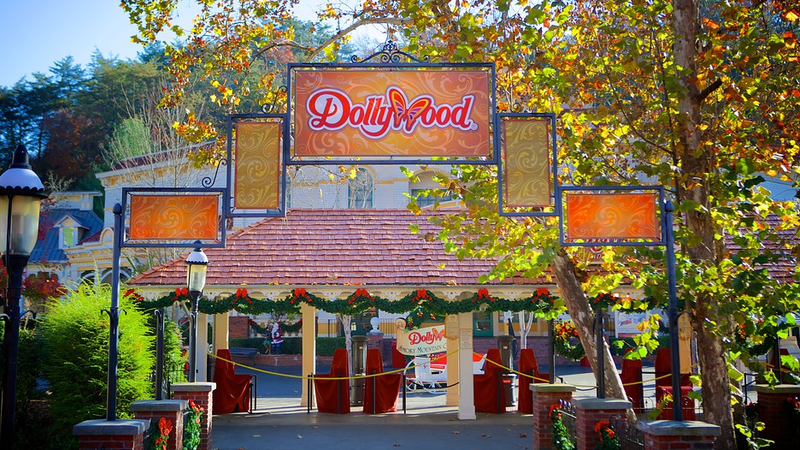
Sevier County · Pigeon Forge · Paid admission
Dolly Parton's Appalachian-themed park in Pigeon Forge, drawing over 3 million visitors per year and routinely ranked among the top theme parks in the world for guest experience. The park blends high-quality thrill rides with genuine Appalachian craft demonstrations, live bluegrass, and traditional food. The Wildwood Grove expansion added family rides centered on a 50-foot tree.
Open spring through late fall; peak summer and fall foliage weeks fill quickly. Buy tickets online for a discount — gate prices are steep. Plan a full day.
Gatlinburg Strip Must-see
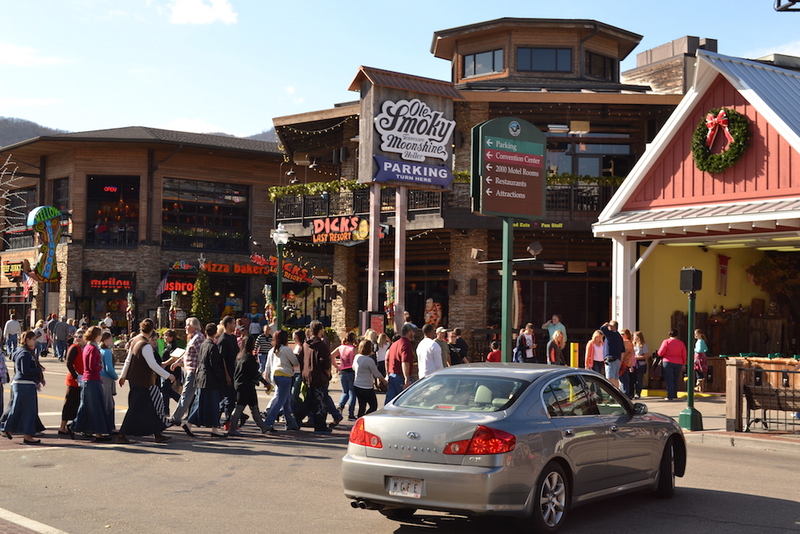
Sevier County · Gatlinburg · Free to walk; attractions priced individually
The main pedestrian stretch of downtown Gatlinburg, packed with fudge shops, moonshine distilleries, mini-golf, pancake houses, and the SkyBridge — the longest pedestrian suspension bridge in North America at 680 feet above the valley. Ole Smoky Tennessee Moonshine operates the country's most-visited legal distillery here, offering free tastings.
The Strip is where Smoky Mountain tourism concentrates. It's unabashedly commercial and fun. Walk it at night when the lights are on and the SkyLift gondola is running.
Chattanooga
Hamilton County's city at the base of Lookout Mountain packs three major paid attractions within a short drive of each other.
Tennessee Aquarium Must-see
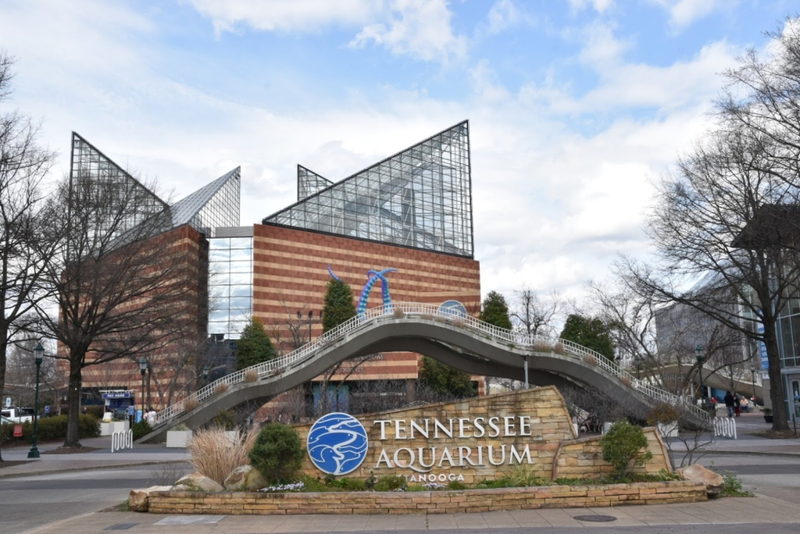
Hamilton County · Chattanooga · Paid admission
The largest freshwater aquarium in the US, split across two adjacent buildings on the Chattanooga riverfront — one dedicated to river ecosystems from the Appalachians to the Gulf, the other to ocean habitats. Highlights include a 60,000-gallon shark tank, a butterfly garden, and a living coral reef exhibit. Combined, the two buildings hold over 12,000 animals.
Plan 3–4 hours for both buildings. Located on the Tennessee Riverfront adjacent to the downtown pedestrian bridge — easy to combine with a walk across the river.
Ruby Falls Must-see
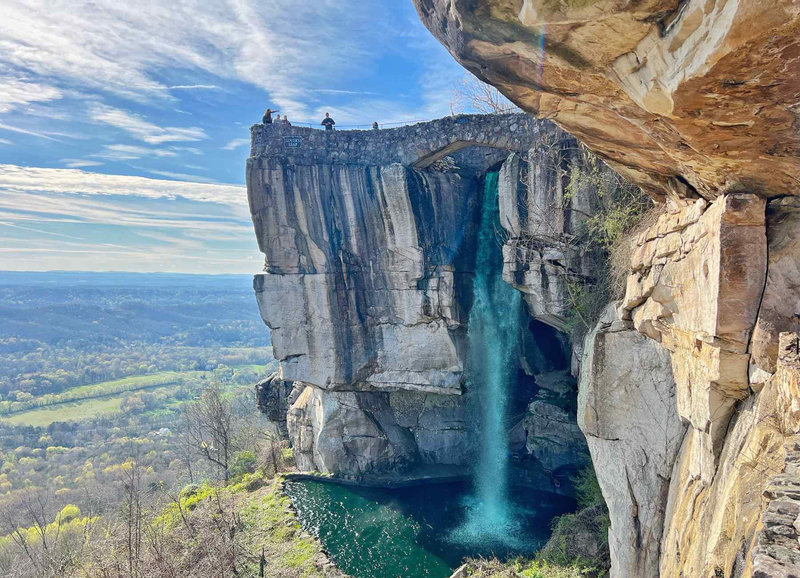
Hamilton County · Chattanooga · Paid admission
A 145-foot underground waterfall inside Lookout Mountain, reached by elevator 260 feet below the surface and a half-mile of lit cavern walkways. Discovered in 1928 by Leo Lambert while drilling for a cave entrance, it is the deepest commercial cave open to the public in the US and the most-visited underground waterfall in the world.
Tours run every 30 minutes and are guided. Buy tickets online to avoid the line. The cavern temperature holds at 60°F year-round — bring a layer.
Lookout Mountain Incline Railway Worth the detour
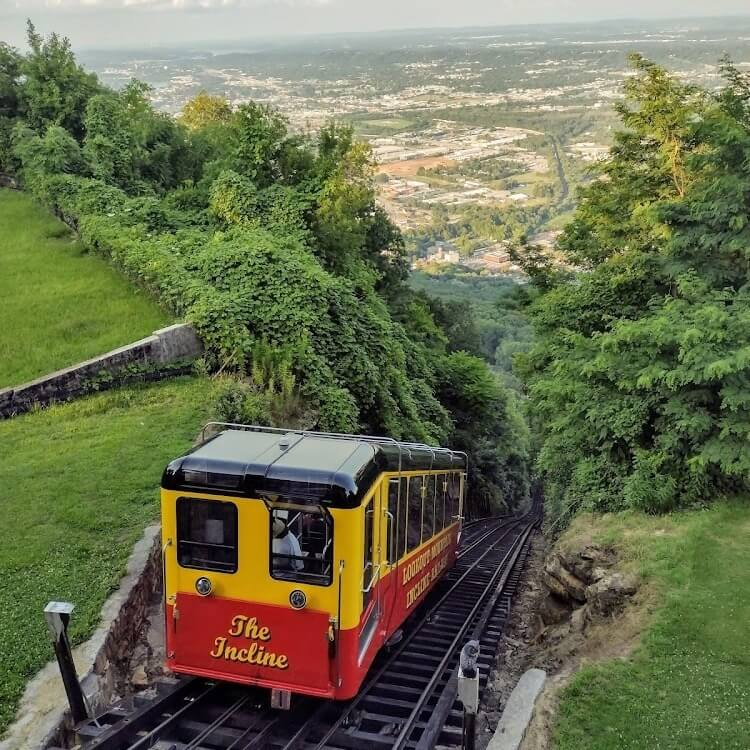
Hamilton County · Chattanooga · Paid admission
The world's steepest passenger railway, running at a 72.7% grade for the final 500 feet of its climb up Lookout Mountain — the cars appear nearly vertical from below. Built in 1895, it carries passengers from St. Elmo neighborhood to the summit with views over the Chattanooga valley and the Tennessee River.
Round-trip takes about 30 minutes. The summit connects to Point Park, the Civil War battlefield overlook with views into 7 states on a clear day.
Planning Notes
Getting around: Tennessee's three tourism hubs are spread across the state: Nashville to Memphis is 3.5 hours, Nashville to Chattanooga is 2 hours, and Chattanooga to Gatlinburg is 1.5 hours. Plan trips around one region unless you have 5+ days.
Season: Most attractions are open year-round. Dollywood runs spring through late fall. East Tennessee peaks during fall foliage (mid-October) and summer. The Grand Ole Opry and Ryman run year-round with occasional dark weeks.
Budget: Paid admissions: Dollywood (~$90 gate; ~$65 online), Graceland (mansion tour ~$45), Tennessee Aquarium (~$35), Ruby Falls (~$27), Ryman daytime tour (~$30), Incline Railway (~$17). Grand Ole Opry show tickets range $40–$100 depending on seat and performer.