Tennessee's history runs deep across three distinct traditions. Nashville is the center of country music's cultural record — the Country Music Hall of Fame and National Museum of African American Music together cover the full American musical family tree. Memphis holds the Civil Rights Movement's most solemn landmark. And the Civil War left some of its bloodiest ground across the state's middle and western counties.
The 10 sites below span all three threads.
Jump to: Nashville — Music History · Memphis — Civil Rights History · Civil War Battlefields · Cherokee & Indigenous History · Planning Notes
Nashville — Music History
Nashville's music history institutions are among the strongest of any American city — two world-class museums within walking distance of each other downtown.
Country Music Hall of Fame and Museum Must-see
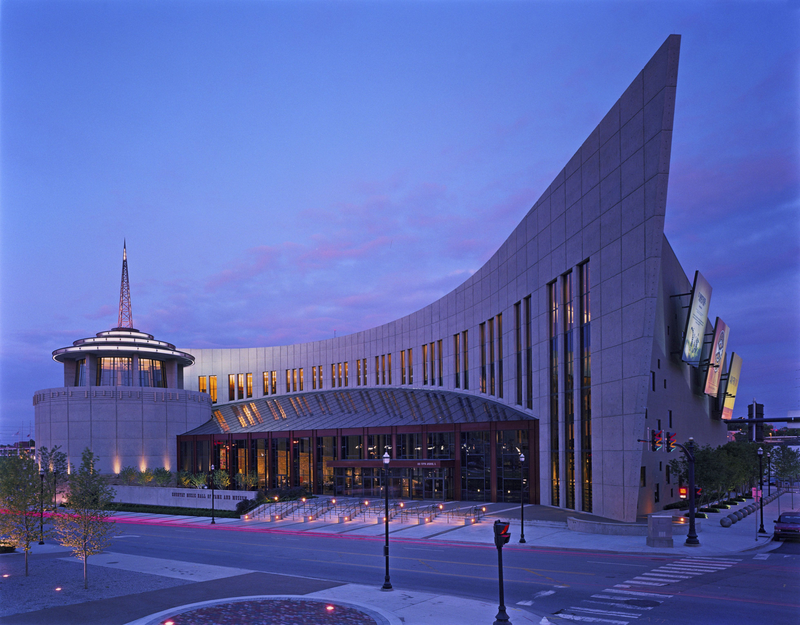
Davidson County · Nashville · Paid admission
The definitive archive of country music history, with over 2.5 million artifacts in a purpose-built museum on 4th Avenue South in downtown Nashville. The permanent Sing Me Back Home gallery traces the full history from the 1920s Bristol Sessions through contemporary artists, organized chronologically with original instruments, handwritten lyrics, stage costumes, and recordings. Elvis's 1960 gold Cadillac limousine is a centerpiece.
Plan 2–3 hours for the permanent collection. The museum connects by a covered walkway to RCA Studio B — Nashville's most famous recording studio, used by Elvis, Dolly Parton, and Chet Atkins — offered as a combined tour add-on.
National Museum of African American Music Must-see
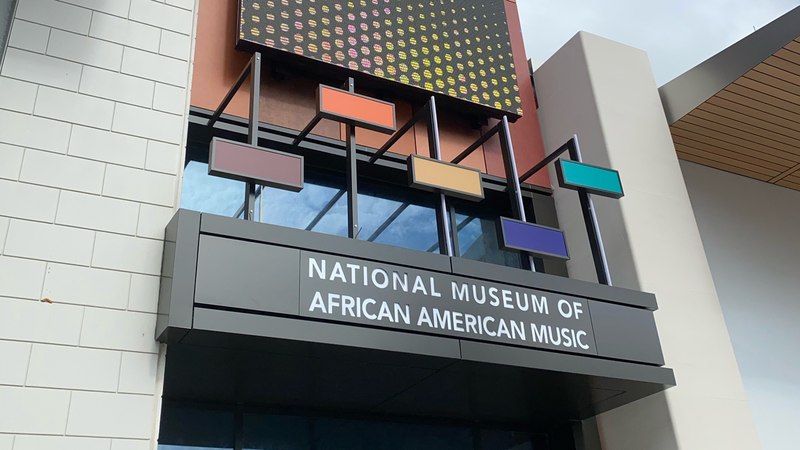
Davidson County · Nashville · Paid admission
Opened in January 2021 in Nashville's Fifth + Broadway complex, the only museum in the US dedicated to the history of African American music across all genres. The collection traces the lineage from West African traditions through gospel, blues, jazz, soul, R&B, rock and roll, funk, and hip-hop — genres that collectively form the backbone of American popular music. Interactive stations let visitors explore specific recordings and artists in depth.
Located two blocks from the Country Music Hall of Fame. Both museums together make for one of the strongest single-day cultural itineraries in the South.
Belle Meade Historic Site & Winery Worth the detour
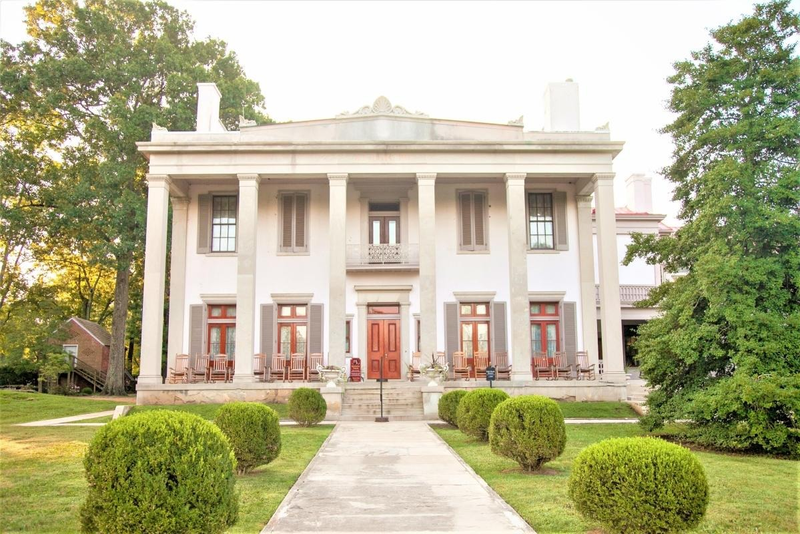
Davidson County · Nashville · Paid admission
A National Historic Landmark 7 miles west of downtown Nashville — a 5,400-acre antebellum thoroughbred stud farm reduced to its current 30-acre preserved core. The 1820 Greek Revival mansion is open for guided tours covering the plantation's racing history and the lives of the enslaved people who operated it. The estate also operates a winery on the grounds using Tennessee-grown grapes.
Tours run daily. The winery tasting room is open without a mansion tour ticket.
Tennessee State Museum Worth the detour
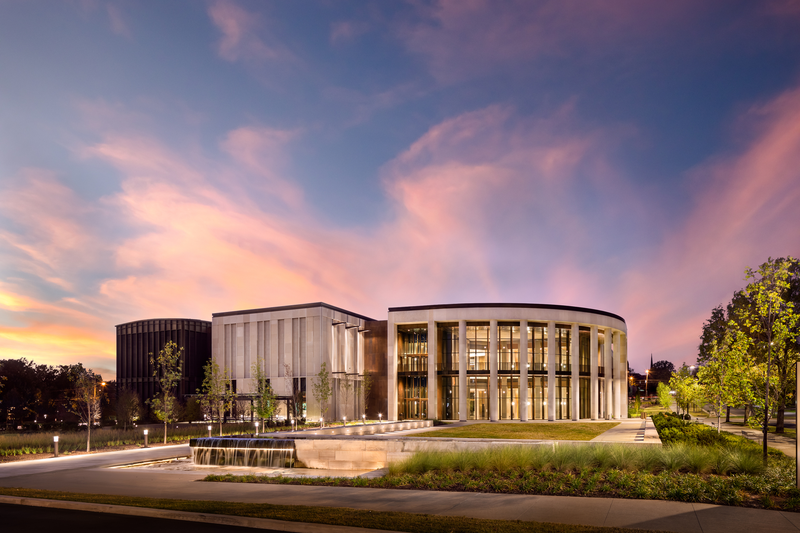
Davidson County · Nashville · Free
A 137,000-square-foot state history museum on Bicentennial Mall in downtown Nashville, free to all visitors. The permanent collection spans Tennessee's full history from prehistoric cultures through the Civil Rights era — including the state's pivotal role in women's suffrage (Tennessee's 1920 ratification vote completed the 19th Amendment). The Civil War galleries are among the strongest in the state.
Located adjacent to the Tennessee State Capitol. Free parking is available on weekends.
Memphis — Civil Rights History
National Civil Rights Museum (Lorraine Motel) Must-see
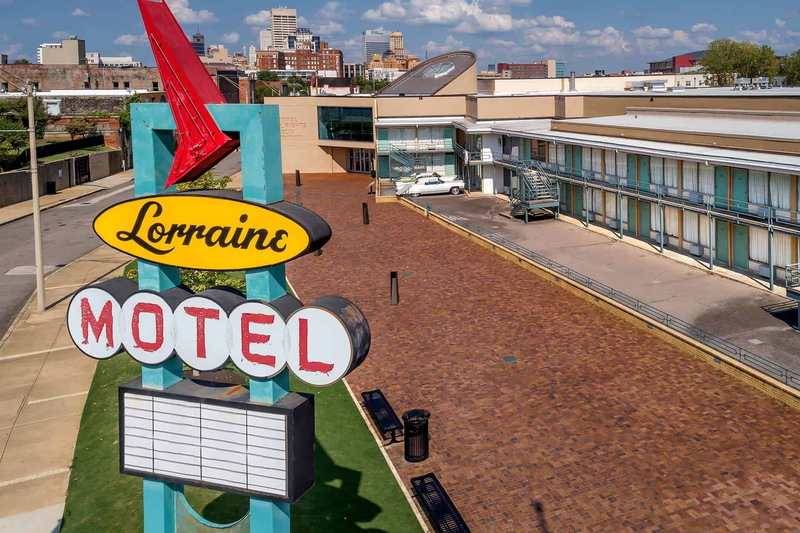
Shelby County · Memphis · Paid admission
Built into and around the Lorraine Motel where Dr. Martin Luther King Jr. was assassinated on April 4, 1968 — the central landmark of the American Civil Rights Movement. The museum covers the full history of the American Civil Rights Movement from the origins of slavery through the 1970s, using artifacts, film, and immersive reconstructions. Room 306, where King was staying, is preserved as it was that day.
Plan 3–4 hours for the full museum. The experience is emotionally significant — the exterior of the motel, the wreath on the balcony, and the view from the room are deeply affecting even from the parking lot.
USA Travel Planner — Google Sheets
One purchase. Every US state. Forever.
A pre-filled travel dashboard for every US state — we are actively building them out.
- 75+ curated attractions — pre-researched for you
- Built-in budget tracker (countdown, expenses, remaining)
- Step-by-step planning tabs
- Buy once — get all future states free as they launch
Civil War Battlefields
Shiloh National Military Park Must-see
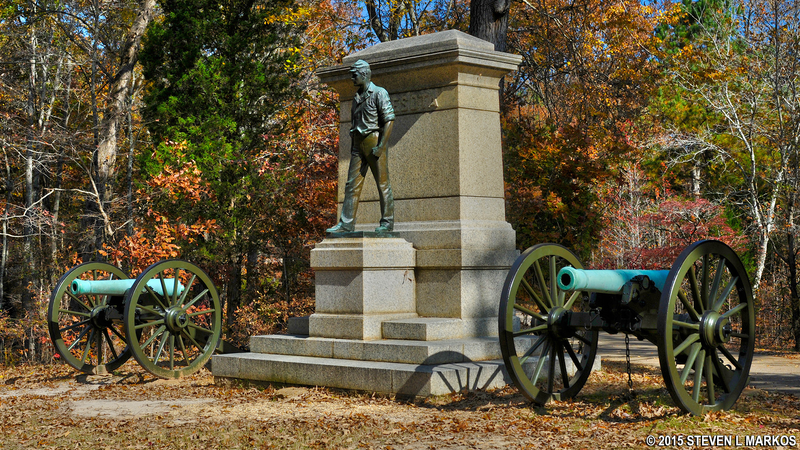
Hardin County · Savannah · Free
The site of the Battle of Shiloh, fought April 6–7, 1862 — one of the Civil War's bloodiest engagements, with 23,746 combined casualties in two days. The 4,200-acre park preserves the battlefield with original cannon positions, troop movement markers, a national cemetery, and the 1864 log cabin Shiloh Church that gave the battle its name. A 9.5-mile self-guided auto tour covers the key positions.
Located in Hardin County near the Alabama border, 2 hours south of Nashville. The Sunken Road and Bloody Pond sites carry particular weight. The visitor center film and exhibits provide necessary context before driving the tour.
Carnton Plantation (Battle of Franklin) Must-see
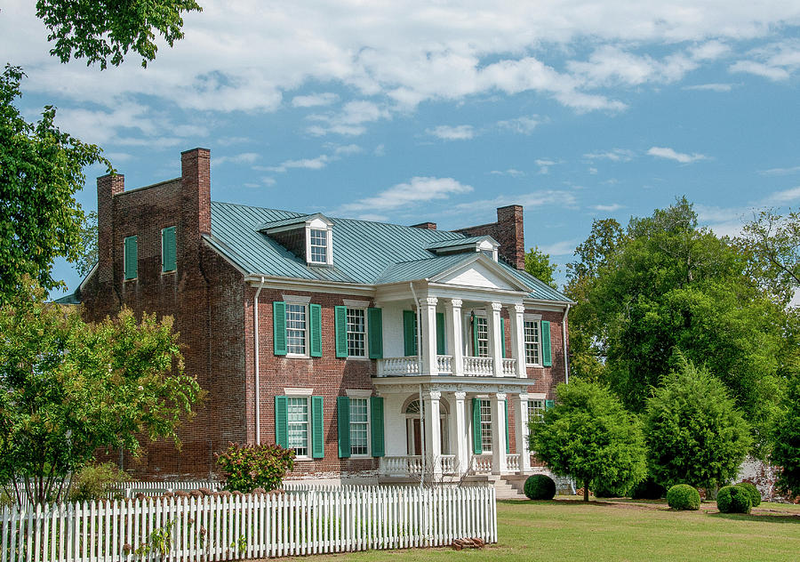
Williamson County · Franklin · Paid admission
An 1826 antebellum mansion that served as the primary Confederate field hospital during the Battle of Franklin on November 30, 1864 — a five-hour engagement in which 8,500 soldiers became casualties. The floors of the mansion retain the stains from that night. The adjacent McGavock Confederate Cemetery, established by the Carter family in 1866, holds 1,481 Confederate soldiers — the largest private Civil War cemetery in the United States.
Guided mansion tours run daily. The cemetery is free to walk. Located in Franklin's Carter's Creek Pike corridor, 20 miles south of Nashville.
Cherokee & Indigenous History
Red Clay State Historic Park (Last Cherokee Council Grounds) Worth the detour
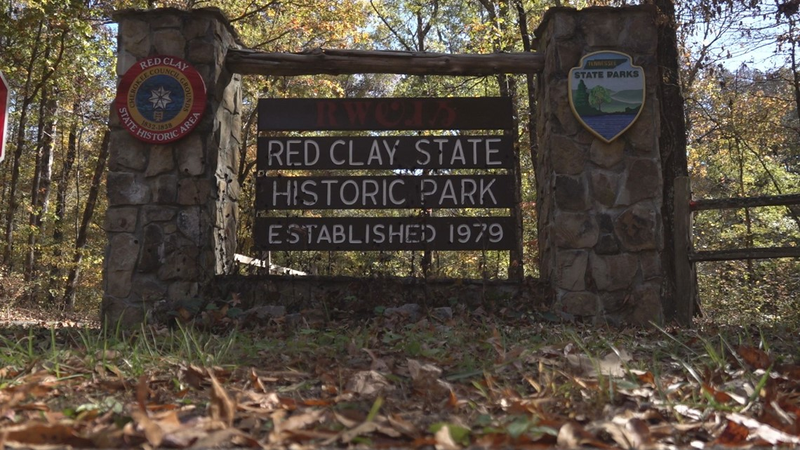
Bradley County · Cleveland · Free
The site of the last Cherokee National Council meetings before the forced removal known as the Trail of Tears (1838–1839). After Georgia banned Cherokee government gatherings in 1830, the council relocated here to Bradley County for 7 years. An interpretive center covers Cherokee governance, the council meetings, and the removal. The Blue Hole spring — a crystal-clear limestone spring the Cherokee considered sacred — is on the grounds.
Free to visit. Located 12 miles northwest of Cleveland, near the Georgia border. Combines naturally with a drive through Cherokee National Forest.
Sequoyah Birthplace Museum Worth the detour
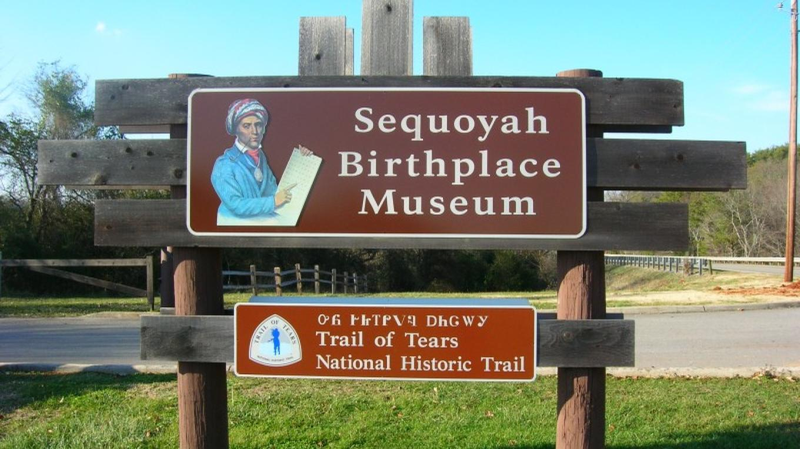
Monroe County · Vonore · Paid admission
A tribal museum operated by the Eastern Band of Cherokee Indians, near the birthplace of Sequoyah — the Cherokee scholar who single-handedly created the Cherokee syllabary in the 1820s, making the Cherokee Nation the first Native American people to achieve mass literacy within a generation. The museum covers Sequoyah's life and the history of the written Cherokee language.
Located on the shore of Tellico Lake in Monroe County. Small and undervisited. The story of the syllabary's creation and its impact on Cherokee society is genuinely remarkable.
Alex Haley Museum and Interpretive Center Worth the detour
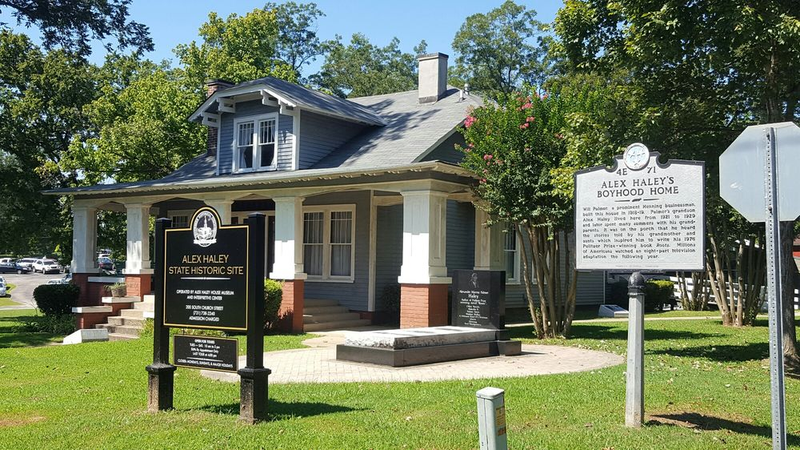
Lauderdale County · Henning · Paid admission
The boyhood home of Alex Haley, author of Roots: The Saga of an American Family — the 1976 Pulitzer Prize-winning novel and subsequent television miniseries that fundamentally changed American understanding of slavery's legacy. The modest 1918 house in Henning was where Haley heard the family oral history that led to Roots research spanning 12 years and three continents.
Haley is buried in the front yard. Located in Lauderdale County in West Tennessee, 50 miles north of Memphis. A pilgrimage site for readers of Roots and students of African American genealogy.
Planning Notes
Civil War context: Tennessee was the last state to secede and the first to be readmitted to the Union. More Civil War battles were fought in Tennessee than in any state except Virginia — the state saw over 700 military engagements. Shiloh and Carnton are the most preserved of these sites.
Free vs. paid admission: Free: Shiloh, Red Clay, Tennessee State Museum, Tennessee State Capitol. Paid: Country Music Hall of Fame (~$30), National Civil Rights Museum (~$20), National Museum of African American Music (~$25), Carnton (~$15), Belle Meade (~$20), Sequoyah ($5), Alex Haley ($5).