Tennessee's natural diversity spans the Appalachian high country in the east to the cypress swamps of the west. Great Smoky Mountains National Park anchors the state's outdoor identity — the most-visited national park in America, free to enter, with a vertical range from 875 to 6,643 feet and ecosystems to match.
Beyond the Smokies: a waterfall taller than Niagara, a ghost-swamp lake formed by the New Madrid earthquake, and backcountry plateau gorges that most travelers never find. All 10 sites below are free to enter.
Jump to: Great Smoky Mountains · Cumberland Plateau Waterfalls · East Tennessee Backcountry · West Tennessee · Planning Notes
Great Smoky Mountains
Straddling the Tennessee-North Carolina border, the Smokies is the eastern US's highest mountain range — 16 peaks above 6,000 feet — and the country's most-visited national park.
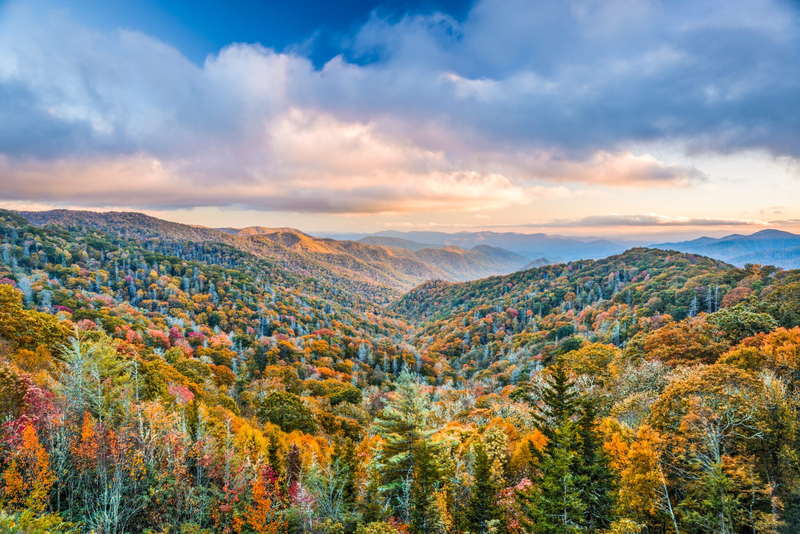
Great Smoky Mountains National Park Must-see
Sevier County · Gatlinburg · Free
Over 12 million visitors a year, 800 miles of trails, 100+ named waterfalls, and no entrance fee — the most-visited national park in the United States. The Tennessee side enters through Gatlinburg and Townsend; Newfound Gap Road crosses the ridge at 5,046 feet and is the only paved road through the park. Wildlife density is exceptional: black bears, elk (reintroduced in 2001), white-tailed deer, and one of the world's only populations of synchronous fireflies.
Fall foliage peaks mid-October at lower elevations. Summer weekends fill every trailhead parking lot by 9 a.m. — arrive early, or hike from less-visited Townsend and Cosby entrances.
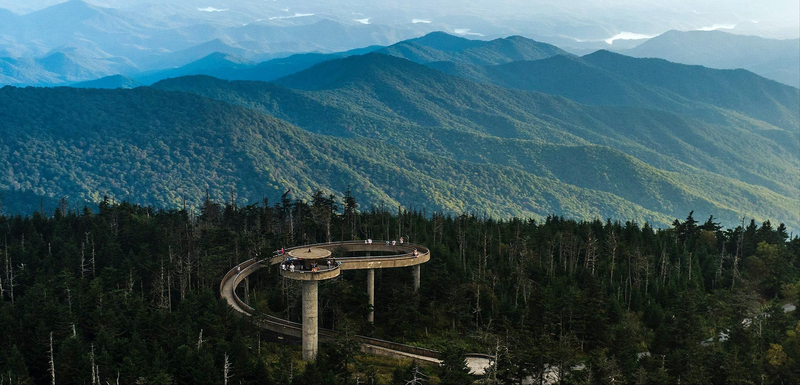
Clingmans Dome Must-see
Sevier County · Gatlinburg · Free
At 6,643 feet, the highest point in Tennessee, the highest point in the Smoky Mountains, and the third-highest peak east of the Mississippi. A 0.5-mile paved ramp from the parking lot climbs to a concrete observation tower with 360-degree views above the tree line — on clear days, the view extends 100 miles. The surrounding spruce-fir forest is a relic ecosystem more common in Canada than the South.
The access road closes December through March due to ice. On cloudy days, the dome sits above the cloud layer — bring a jacket regardless of season.
Cumberland Plateau Waterfalls
The Cumberland Plateau — Tennessee's mid-state tableland — is cut by gorges and river systems that produce some of the state's most dramatic waterfall scenery.
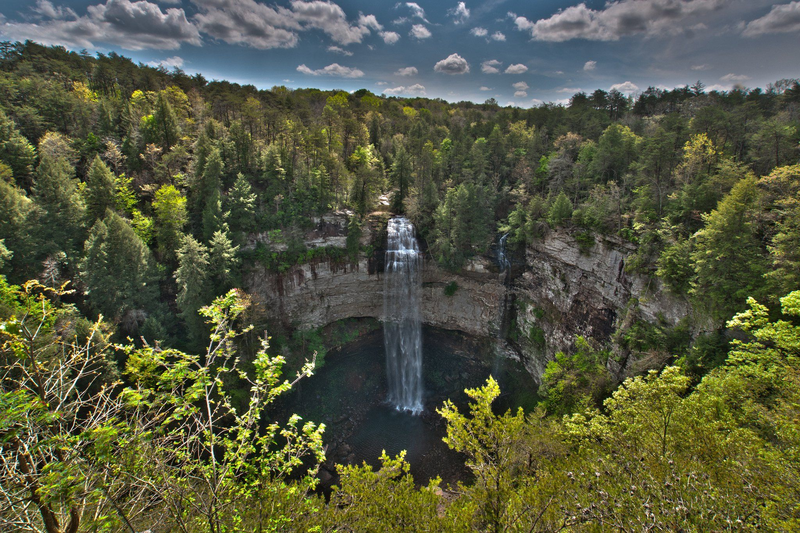
Fall Creek Falls State Park Must-see
Van Buren County · Spencer · Free
Home to Fall Creek Falls — at 256 feet, the tallest free-falling waterfall east of the Rocky Mountains. The main falls are viewable from an overlook on the rim trail; a steep 1-mile descent reaches the splash pool at the base. The park contains four additional named waterfalls within 2 miles of the visitor center, including Cane Creek Falls (85 feet) and Piney Falls (90 feet).
Tennessee's most popular state park with over 1.5 million visitors annually. Arrive early on summer weekends. Cabins, camping, and an inn are available on-site.
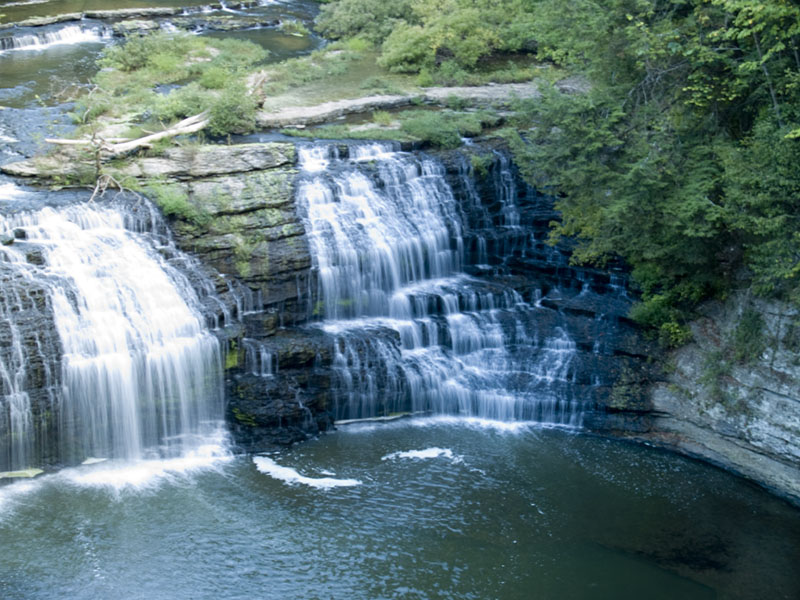
Burgess Falls State Natural Area Must-see
Putnam County · Cookeville · Free
A 3-mile out-and-back trail following the Falling Water River through four successive waterfalls, culminating at an 80-foot main drop into a deep gorge pool. The trail crosses rocky terrain along the river's edge with multiple waterfall viewpoints. The final descent to the main falls overlook is steep but paved.
Located 7 miles south of Cookeville — an easy day trip from I-40. Less crowded than Fall Creek Falls and arguably more scenic per mile of trail.
Savage Gulf State Natural Area Worth the detour
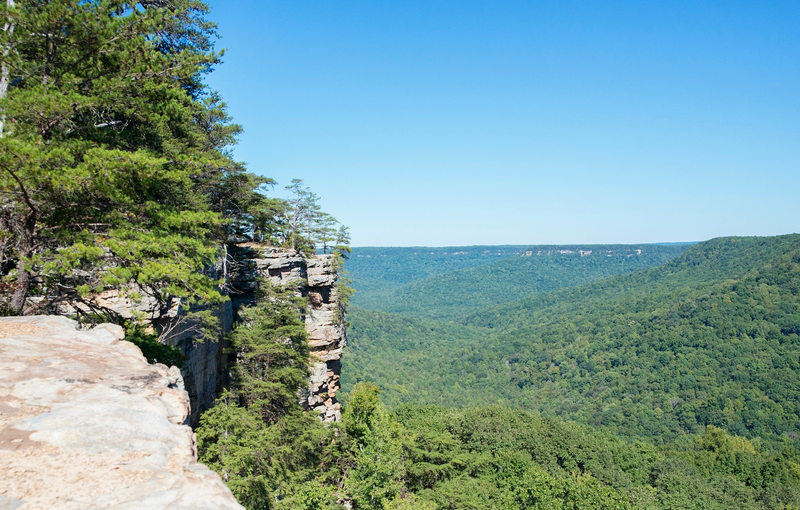
Grundy County · Tracy City · Free
A 15,590-acre backcountry natural area on the southern Cumberland Plateau with 55 miles of trails through three deep plateau gorges — Savage Gulf, Stone Door Gorge, and Collins Gulf. The Stone Door is a natural rock crevice that forms a staircase descent into the gorge floor. The backcountry is primitive; day hikers access the best views without overnight gear.
One of Tennessee's least-visited state natural areas relative to its scenery quality. The rim trail at Stone Door is 4 miles round-trip and requires no technical equipment.
USA Travel Planner — Google Sheets
One purchase. Every US state. Forever.
A pre-filled travel dashboard for every US state — we are actively building them out.
- 75+ curated attractions — pre-researched for you
- Built-in budget tracker (countdown, expenses, remaining)
- Step-by-step planning tabs
- Buy once — get all future states free as they launch
East Tennessee Backcountry
Frozen Head State Park Worth the detour
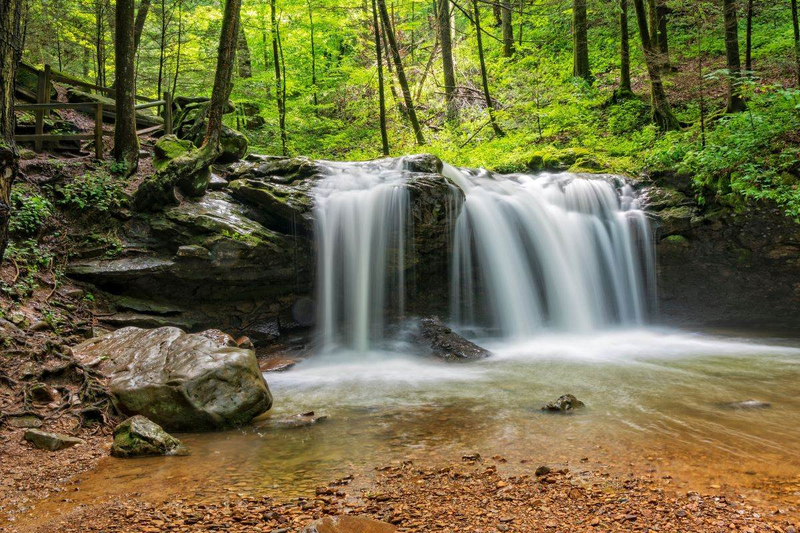
Morgan County · Wartburg · Free
A rugged 24,000-acre park in the Cumberland Mountains with over 70 miles of trail and one of the densest wildflower concentrations in the eastern US — 400+ species bloom between March and June. Frozen Head Mountain rises to 3,324 feet and is reached by a strenuous 11-mile round-trip trail.
Known internationally as the starting point of the Barkley Marathons, an extreme ultramarathon held here each spring. For non-ultramarathoners: the old-growth forest and spring wildflower season are the draw.
Obed Wild and Scenic River Worth the detour
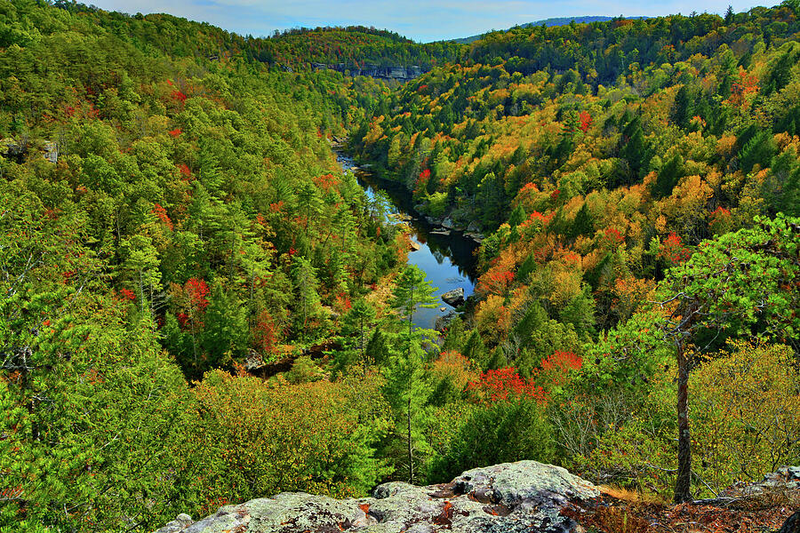
Cumberland County · Crossville · Free
A federally designated wild and scenic river system managed by the National Park Service, with 45 miles of river cutting 300-foot sandstone gorges through the Cumberland Plateau. The Obed is a technical whitewater destination (Class III–IV) but the rim hiking trails above the gorge — dramatic overlooks with almost no foot traffic — are a strong reason to visit without a boat.
The visitor center is in Wartburg. The Lilly Bridge and Nemo Bridge trailheads offer the best access to gorge overlooks without a boat.
Big South Fork National River and Recreation Area Worth the detour
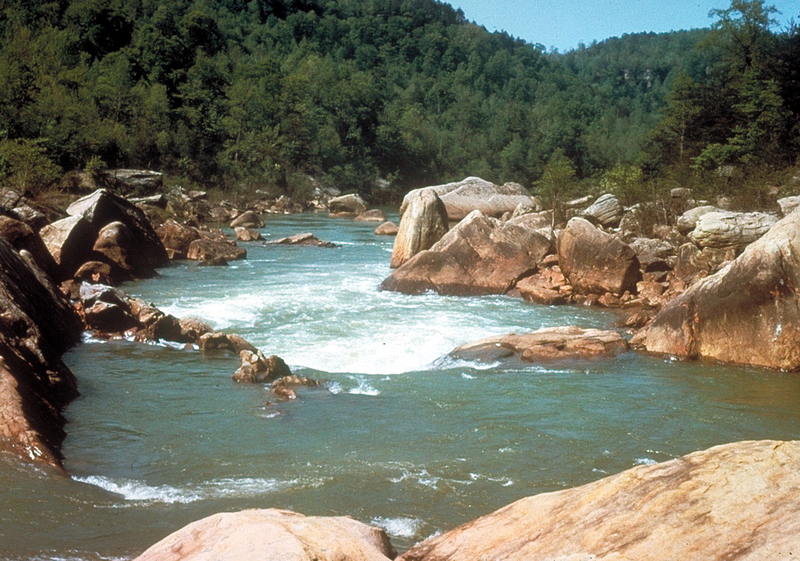
Scott County · Oneida · Free
A 125,000-acre National Park Service unit straddling the Tennessee-Kentucky border, protecting the Big South Fork of the Cumberland River and its canyon system. Natural arches, whitewater, and 180 miles of trails draw hikers and horseback riders. The Twin Arches — two of the largest natural arches in the eastern US — are reachable on a moderate 4.6-mile loop.
Less known than most national park units; the facilities are quieter than comparable NPS sites. Oneida is the closest town with services.
Pickett CCC Memorial State Park Worth the detour
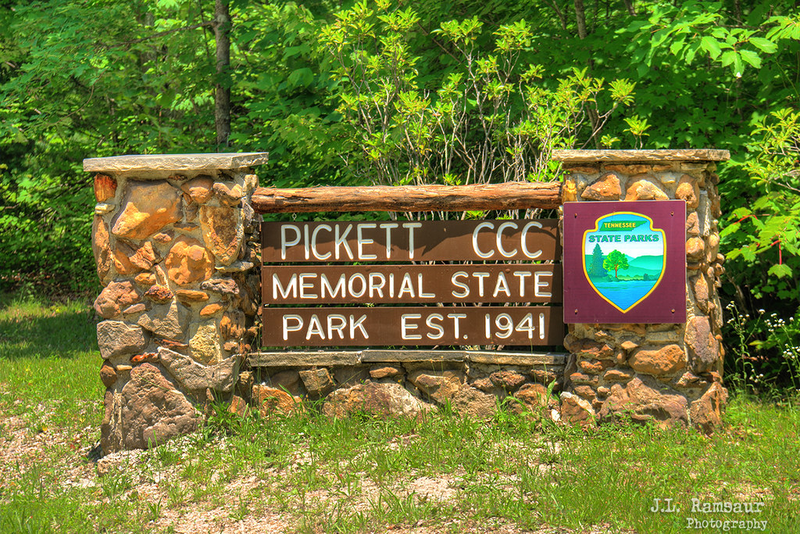
Pickett County · Byrdstown · Free
A 19,000-acre park in one of Tennessee's least-populated counties, featuring sandstone arches, natural bridges, and rope suspension bridges linking rock formations above shallow gorges. The park contains the highest concentration of natural sandstone arches in Tennessee, most reachable on day hikes of 2–5 miles.
Adjoins the Big South Fork National Recreation Area. Pickett County has no fast food or chain services — bring supplies from Byrdstown. The payoff is near-zero crowds on genuinely remarkable terrain.
West Tennessee
Reelfoot Lake State Park Worth the detour
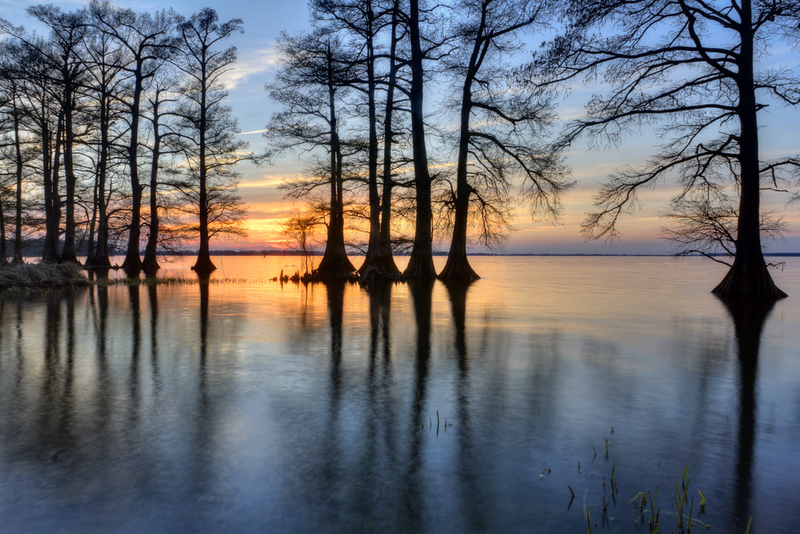
Lake County · Tiptonville · Free
A 15,000-acre shallow lake in the Mississippi River floodplain created by the 1811–1812 New Madrid earthquakes — the most powerful earthquake sequence in recorded North American history. The quakes caused the Mississippi River to run backward for several hours and sank this section of land. The resulting lake is filled with cypress trees growing directly from the water — flooded forest standing in open water, a landscape unlike anything else in Tennessee.
Winter bald eagle watching is the most popular activity; hundreds of eagles winter here December through February. Boat tours operate on weekends.
Planning Notes
Parking at the Smokies: Great Smoky Mountains National Park has no parking reservation system. Popular trailheads at Laurel Falls, Alum Cave, and Rainbow Falls fill by 9 a.m. on summer and fall weekends. The Gatlinburg Welcome Center operates a shuttle to the park's Sugarlands Visitor Center, which connects to trail shuttles.
Plateau parks logistics: The Cumberland Plateau parks — Savage Gulf, Frozen Head, Obed, Big South Fork, Pickett — are spread across a 100-mile corridor with limited services nearby. Fill the gas tank in Crossville or Cookeville before heading to any of them.